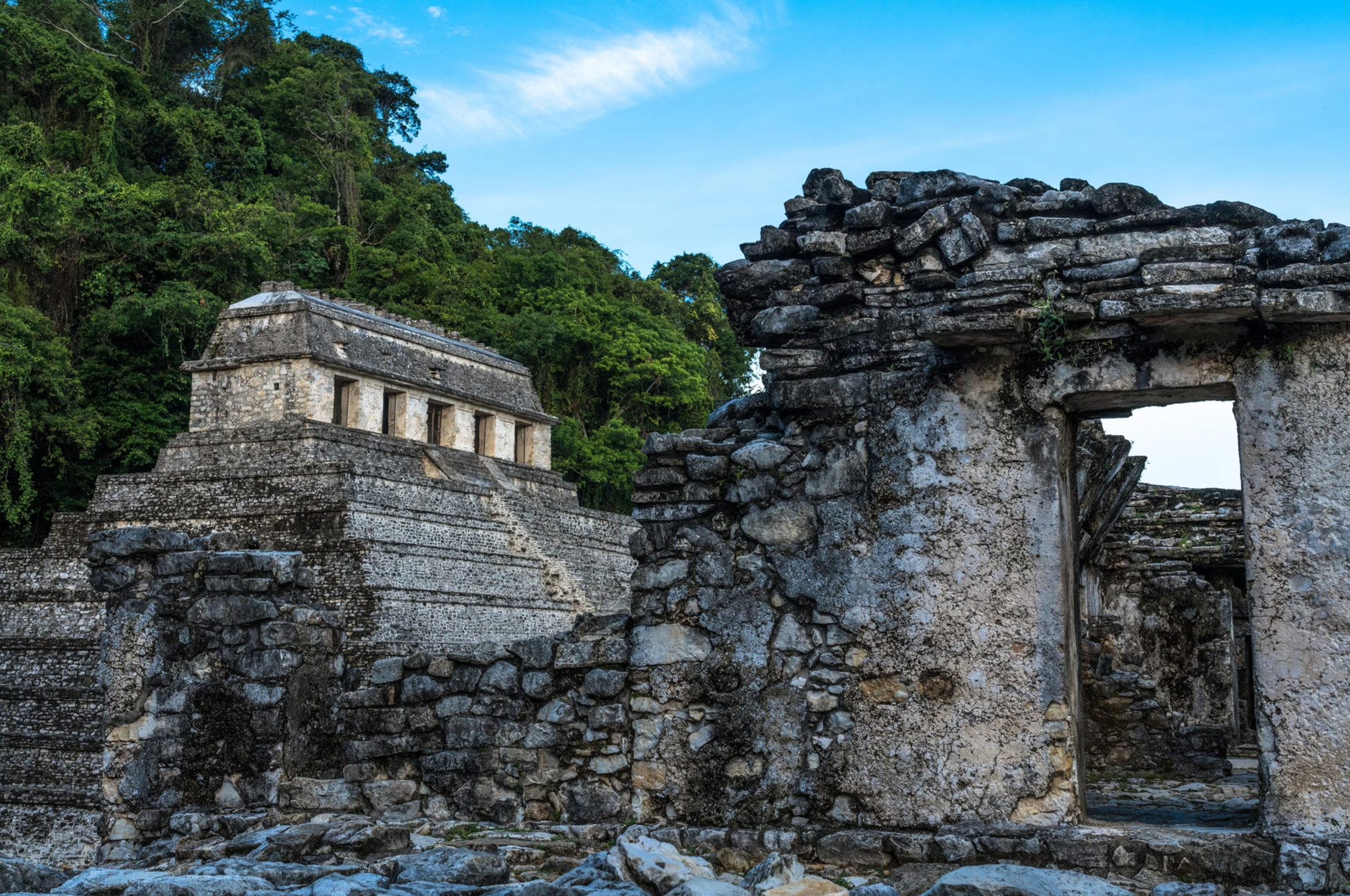
The name Chichen Itza translates roughly to "at the mouth of the well of the Itza," a direct reference to the cenotes — natural sinkholes exposing groundwater — that made the site habitable in the first place and gave it lasting religious significance. The Maya built their city here, in what's now Mexico's Yucatán Peninsula, atop a limestone shelf with no rivers and few reliable surface water sources, making the cenotes not just convenient but essential to the settlement's survival across the roughly six centuries it functioned as a major urban center.
Construction and habitation ran from the Late Classic period through the early Postclassic, roughly 600 to 1200 CE, positioning Chichen Itza at a pivotal moment in Maya history — after the decline of southern lowland cities like Tikal but before the rise of Mayapan, which eventually eclipsed it as the region's dominant power. At its height, Chichen Itza functioned as one of the largest and most politically significant Maya cities, drawing influence and possibly direct contact from central Mexican cultures far to the west, a connection still debated and studied by archaeologists today.
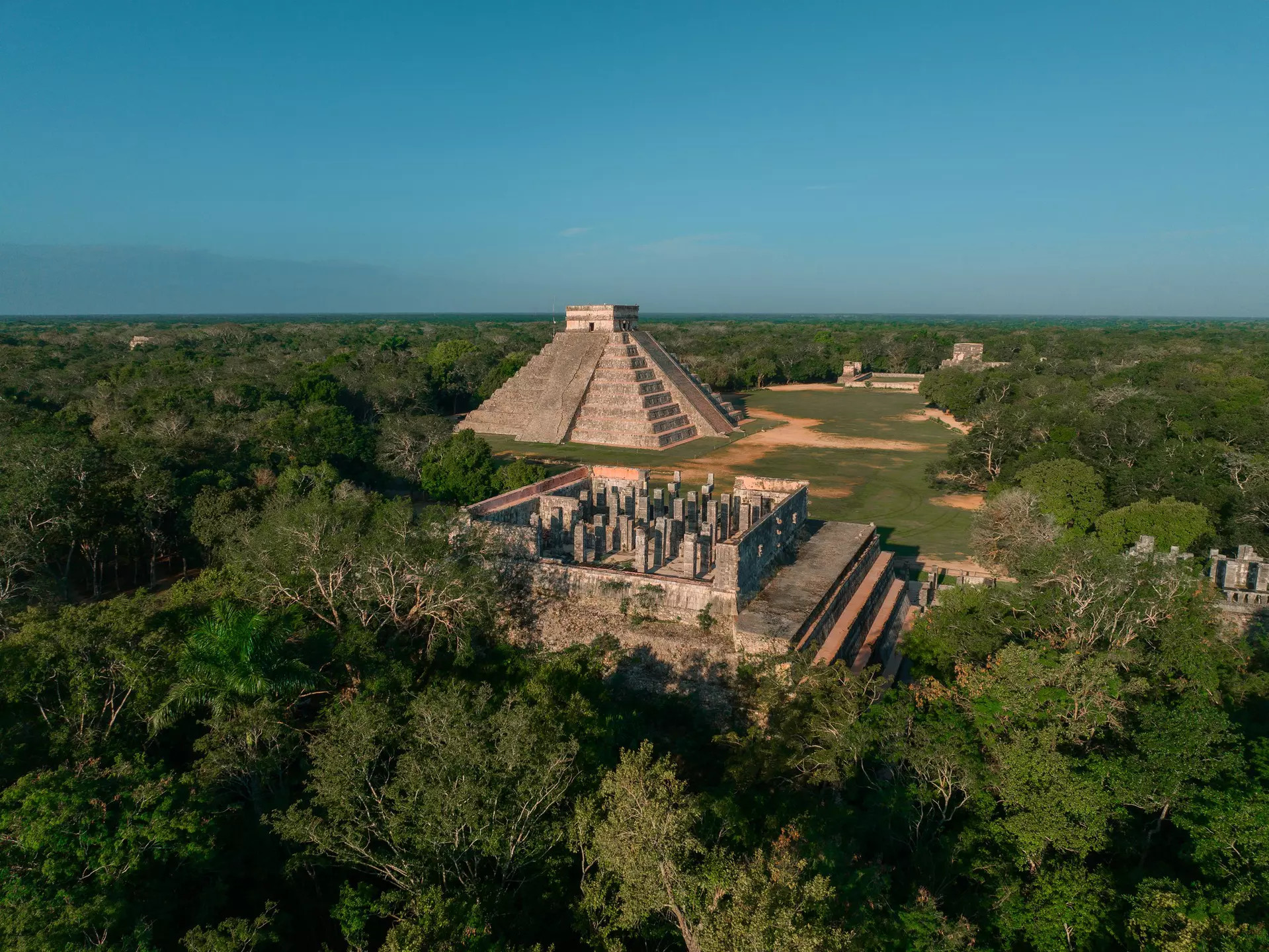
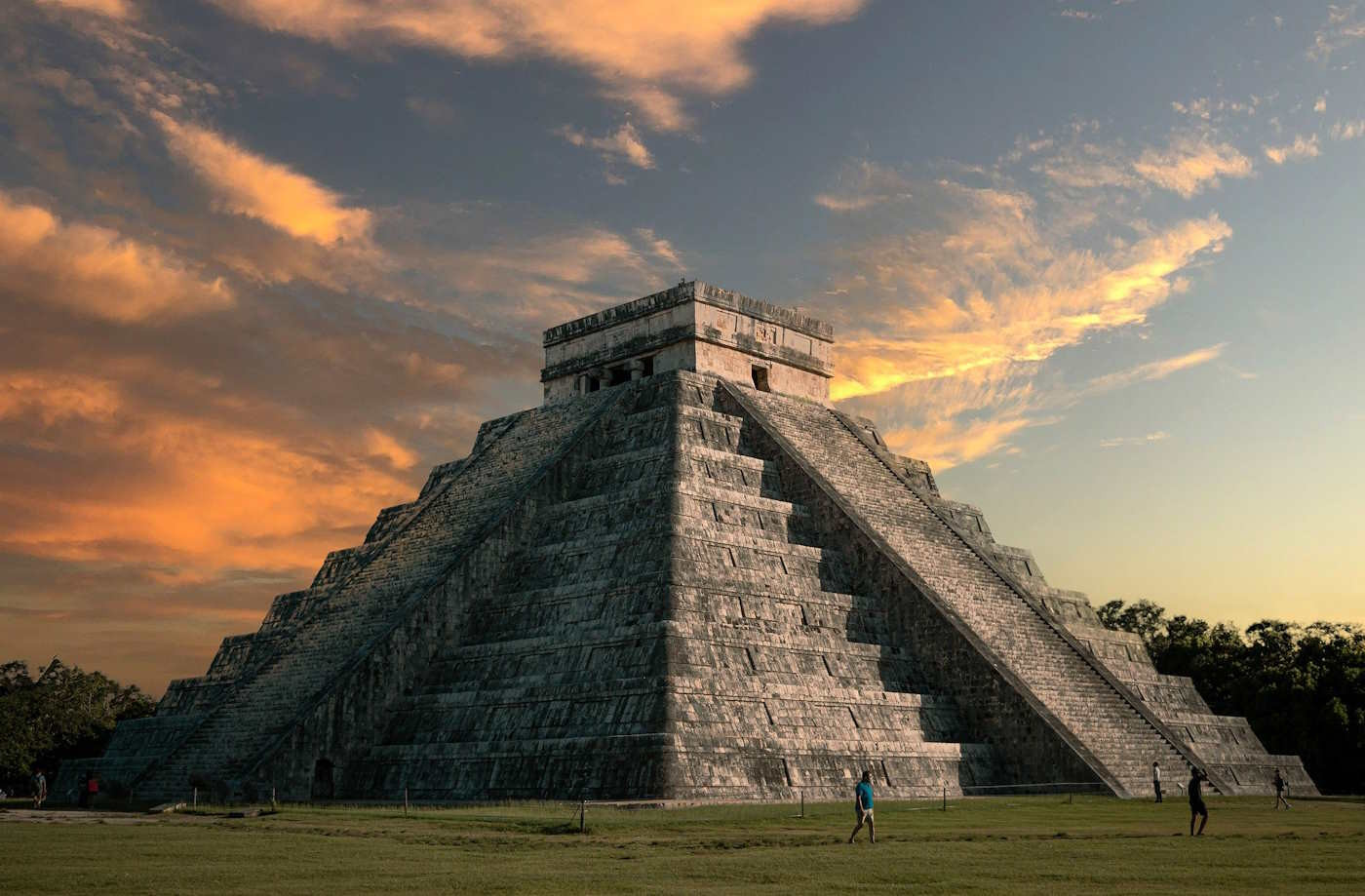
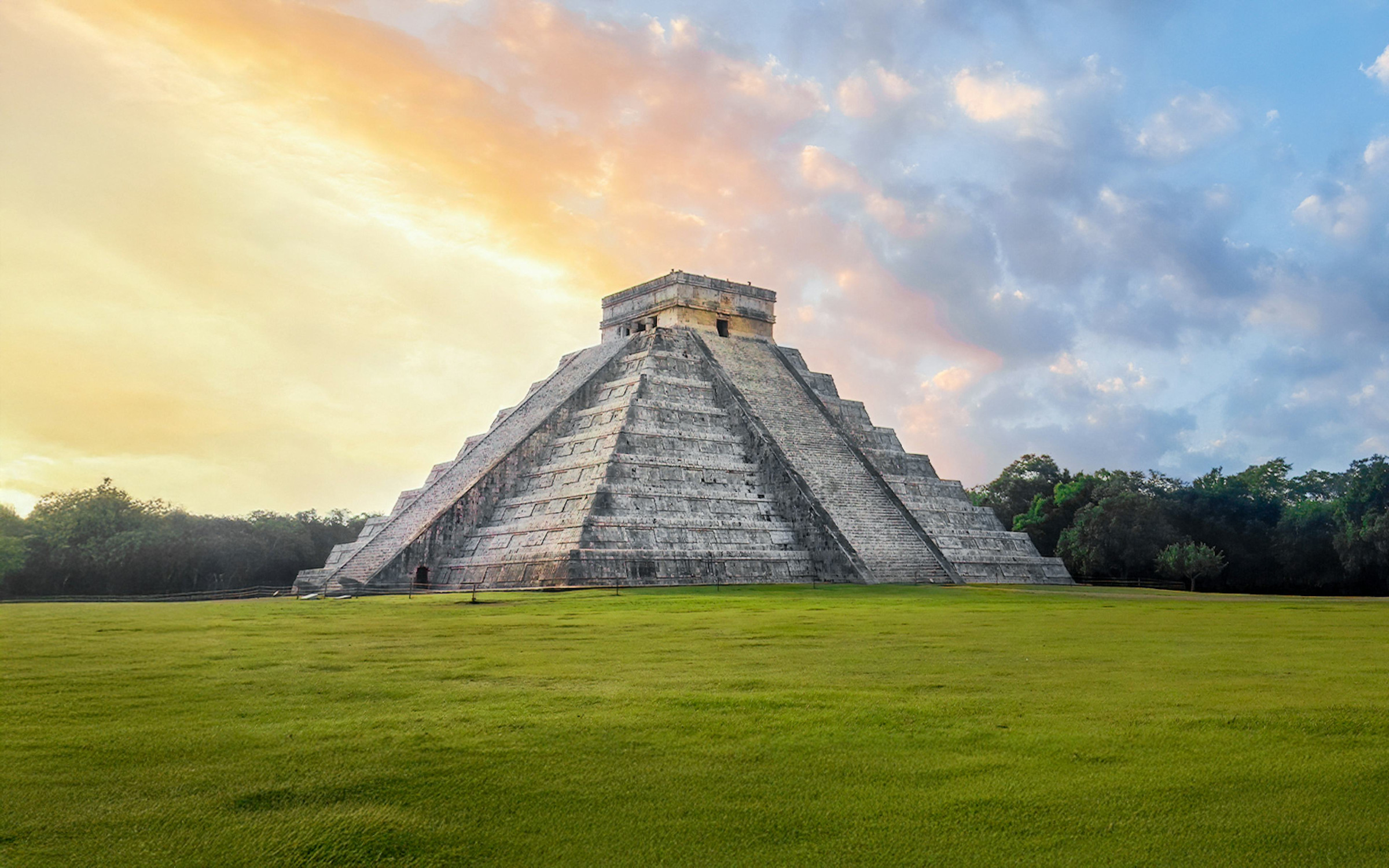
The city's defining monument, El Castillo (also known as the Temple of Kukulcán), rises roughly 30 meters in nine stepped terraces, its base measuring 55.3 meters on each side, with four grand staircases climbing its faces at a steep 45-degree angle. Beyond its scale, the pyramid is an astronomical instrument in stone: it was built with 91 steps on each of its four staircases, which together with the top platform total 365 — one for each day of the solar year — encoding the Maya's sophisticated calendrical knowledge directly into the building's architecture.
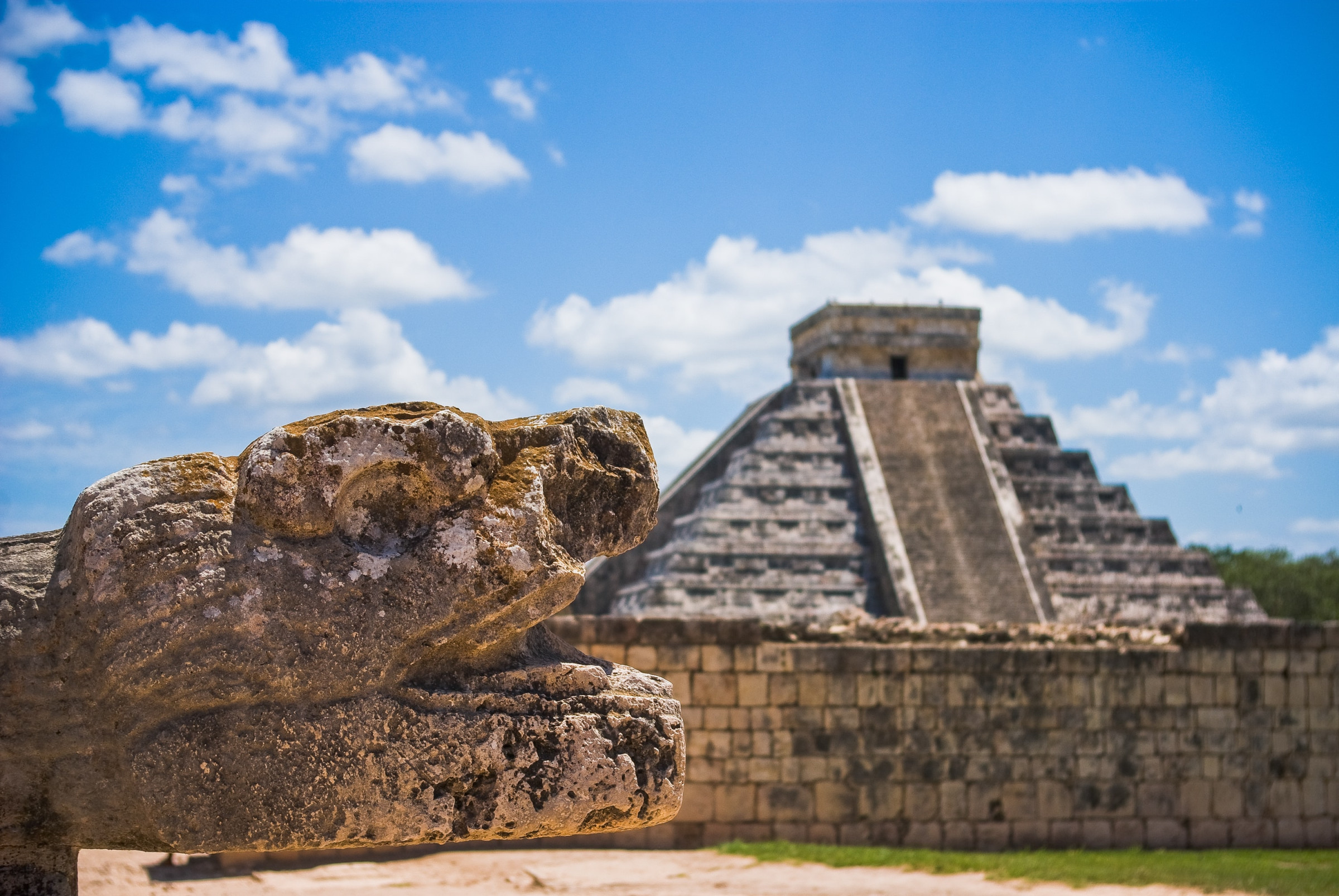
Twice a year, at the spring and autumn equinoxes, the setting sun casts a series of triangular shadows along the pyramid's northwest staircase that combine with a carved serpent head at its base to create the illusion of a feathered serpent — representing the deity Kukulcán — slithering down the pyramid's side toward the earth. The phenomenon draws large crowds each equinox and remains one of the most celebrated examples of deliberate astronomical alignment in ancient American architecture. Modern 3D imaging has also revealed an earlier, smaller pyramid — now called "Castillo-sub" — entirely enclosed within the visible structure, evidence that the Maya built the monument in at least two major phases over time.
Chichen Itza's Great Ball Court is the largest and best-preserved example of the Mesoamerican ballgame court known anywhere, measuring 168 by 70 meters with parallel platform walls rising 8 meters on either side. The ballgame played here combined athletic competition with religious ritual, and stone rings mounted high on the court's walls, along with detailed relief carvings depicting the game and its ceremonial stakes — sometimes including the sacrifice of losing players or captives — attest to its significance well beyond simple sport.
The court's acoustic properties have become a minor attraction in their own right: a clap or shout at one end can reportedly be heard clearly at the opposite end, 168 meters away, an effect that may or may not have been intentional in the original design but that modern visitors still test for themselves.
A causeway leads from the main plaza to the Cenote Sagrado, the Sacred Cenote, a natural sinkhole roughly 60 meters in diameter with sheer limestone walls dropping 27 meters down to the water table below. Rather than serving primarily as a water source like the city's other cenotes, this one functioned as a site of ritual offering and, according to both archaeological and historical evidence, human sacrifice — offerings made to the rain god Chaac in a landscape where reliable rainfall meant the difference between agricultural surplus and famine.
Early 20th-century dredging operations recovered gold, jade, pottery, incense, and human remains from the cenote's depths, providing archaeologists with physical confirmation of practices previously known mainly through colonial-era written accounts and iconography found elsewhere at the site.
Chichen Itza's political dominance faded by the time Mayapan rose to prominence in the region, though the site never disappeared from local memory or use the way some more remote Maya cities did — it remained a place of periodic pilgrimage and ritual significance even after its political power waned, and Spanish colonial accounts from the 16th century onward describe it directly. Systematic archaeological excavation began in the early 20th century, gradually uncovering and restoring the monumental core that draws millions of visitors today.
UNESCO inscribed Chichen Itza as a World Heritage Site in 1988, and in 2007 El Castillo specifically was named one of the New 7 Wonders of the World through a global public vote — recognition that, combined with its accessibility from Cancún and the wider Riviera Maya resort corridor, has made it one of the most visited archaeological sites in the Americas, drawing roughly 9.9 million visitors in a recent year alone.
Entry for foreign visitors runs about 697 Mexican pesos, split between a federal INAH fee and a Yucatán state CULTUR fee; Mexican citizens pay significantly less, and enter free on Sundays with valid identification. The main ticket booth operates from 8:00 AM to 4:00 PM, with the site itself closing at 5:00 PM and parking available from 7:30 AM to 5:30 PM.
Arriving before 9 AM is strongly recommended — both to beat the crowds that arrive by the busload from Cancún and Playa del Carmen later in the morning, and to avoid the worst of the midday Yucatán heat, since the site offers minimal shade across its open plazas. Most international visitors fly into Cancún International Airport, roughly a two-to-three-hour drive from the site, making Chichen Itza a popular day trip from the Riviera Maya's resort towns as well as a stop on longer Yucatán itineraries based out of Mérida or Valladolid.
No reviews yet. Be the first to share your experience!
Share your experience and help other travelers