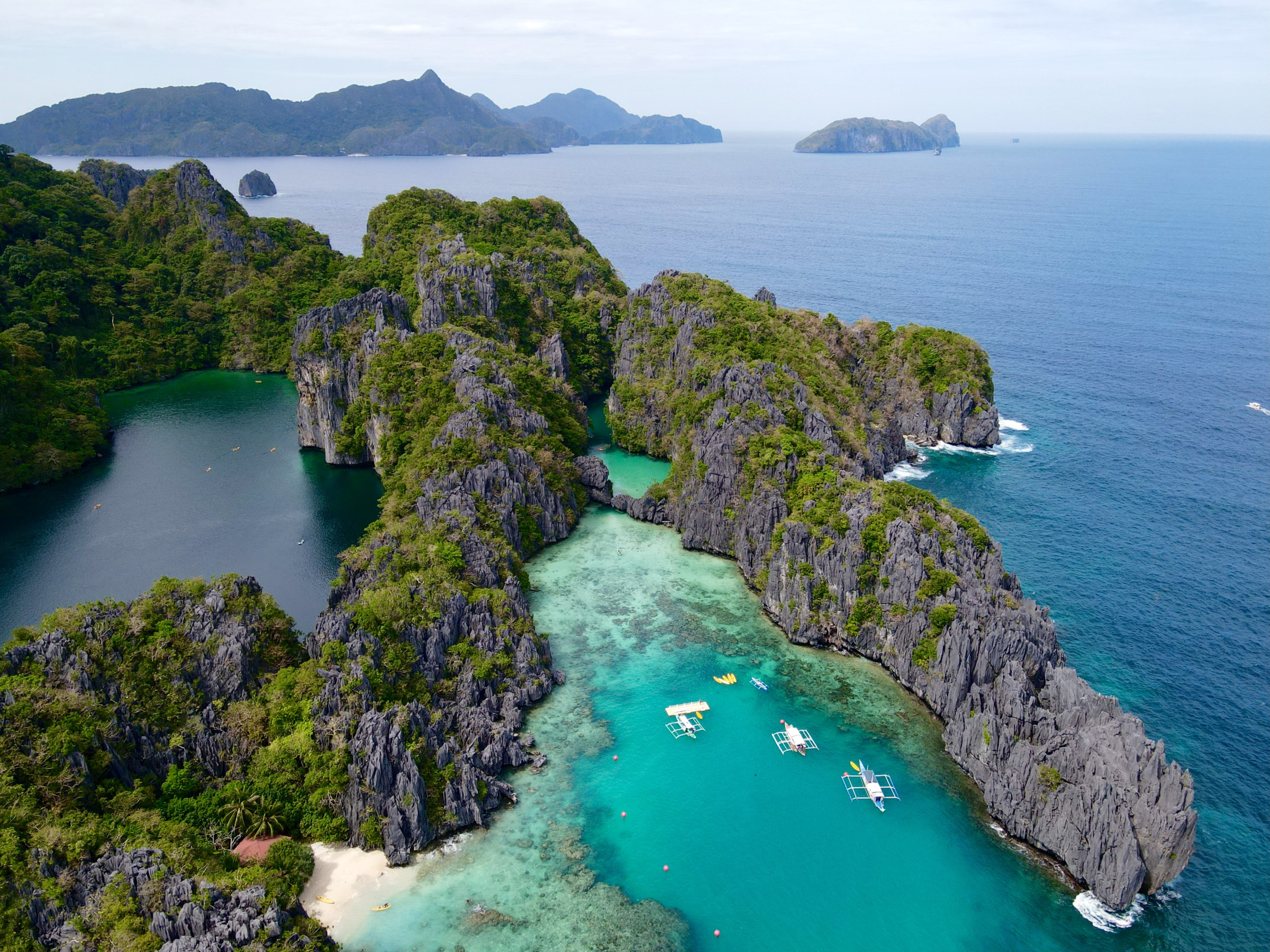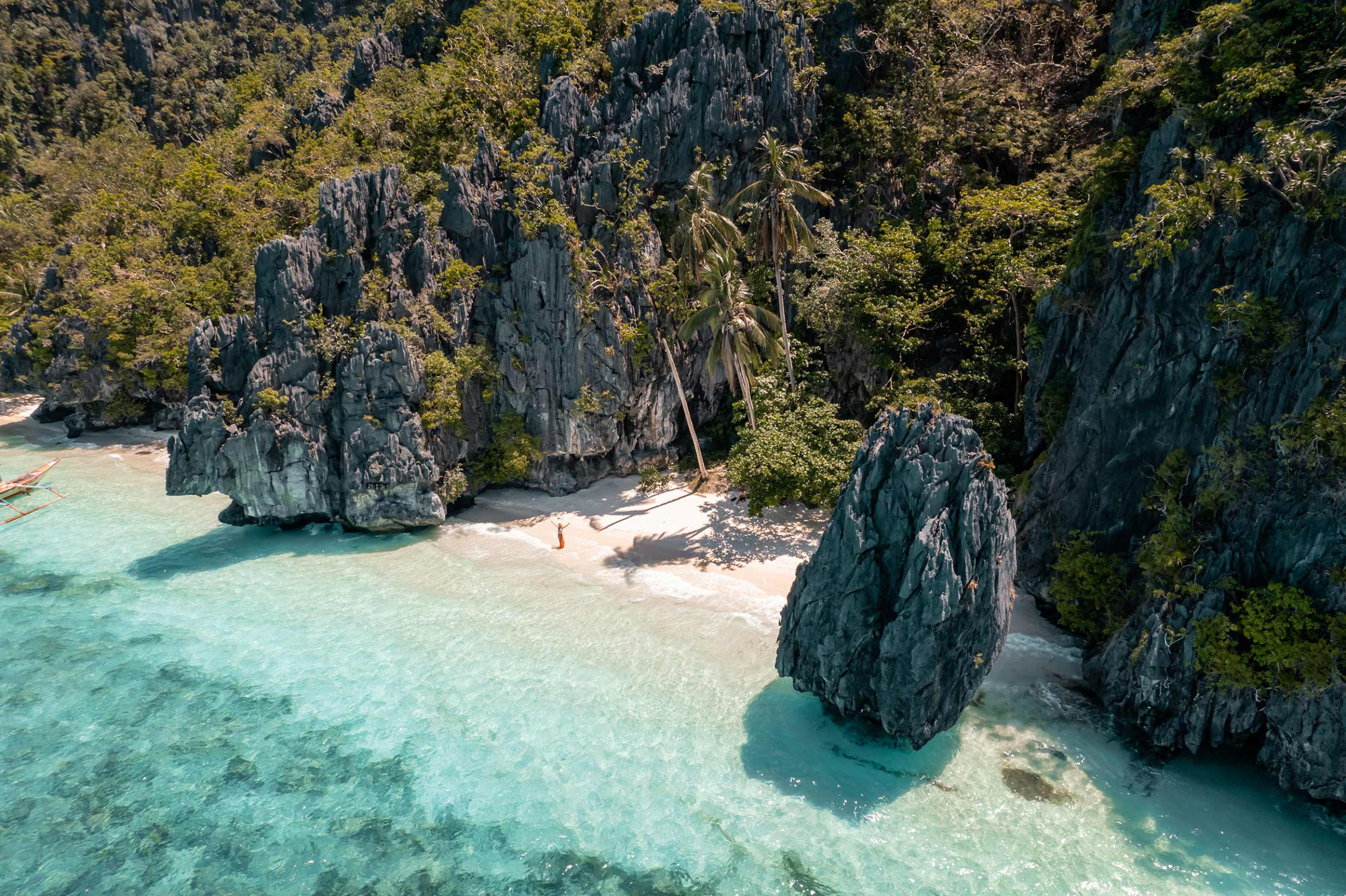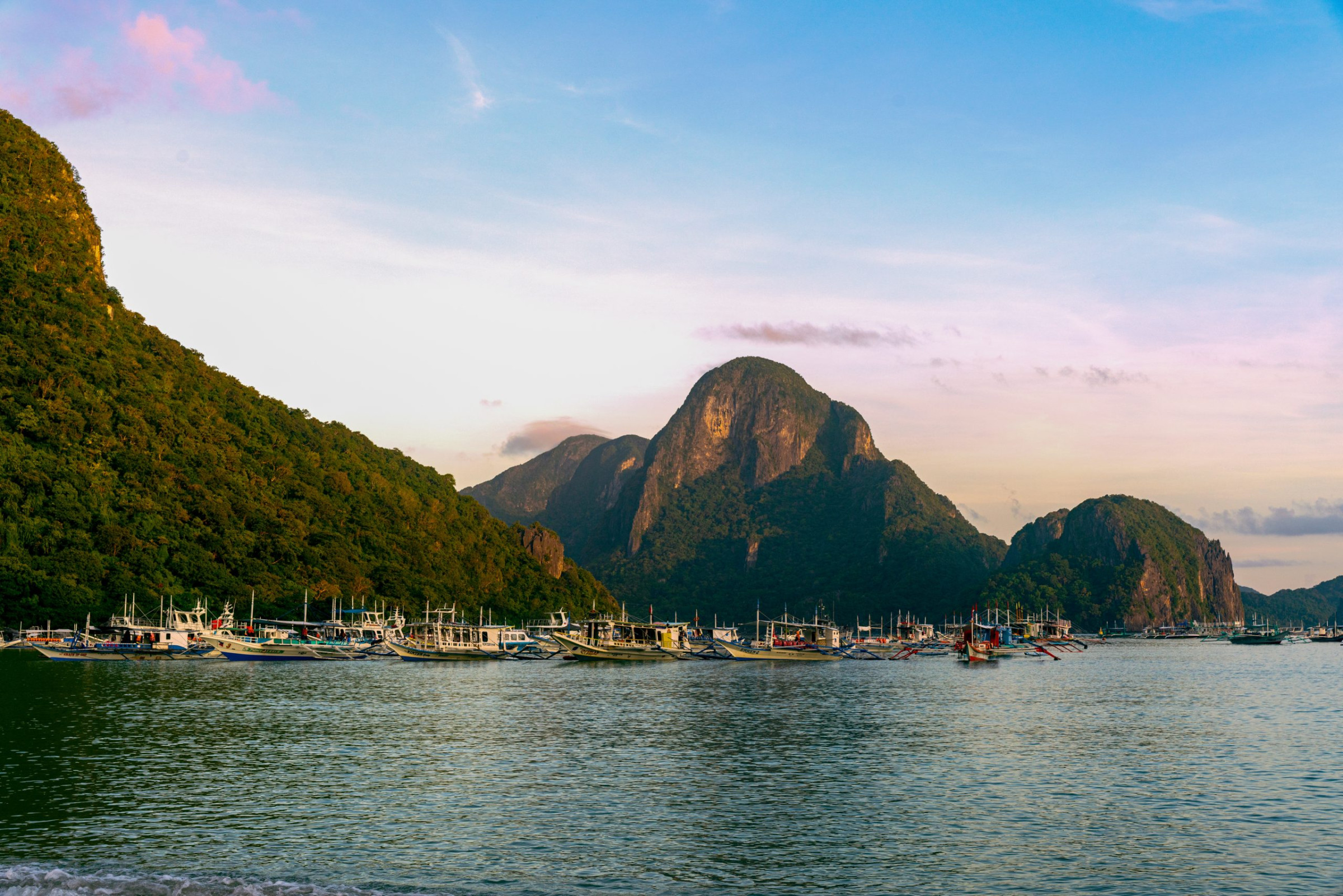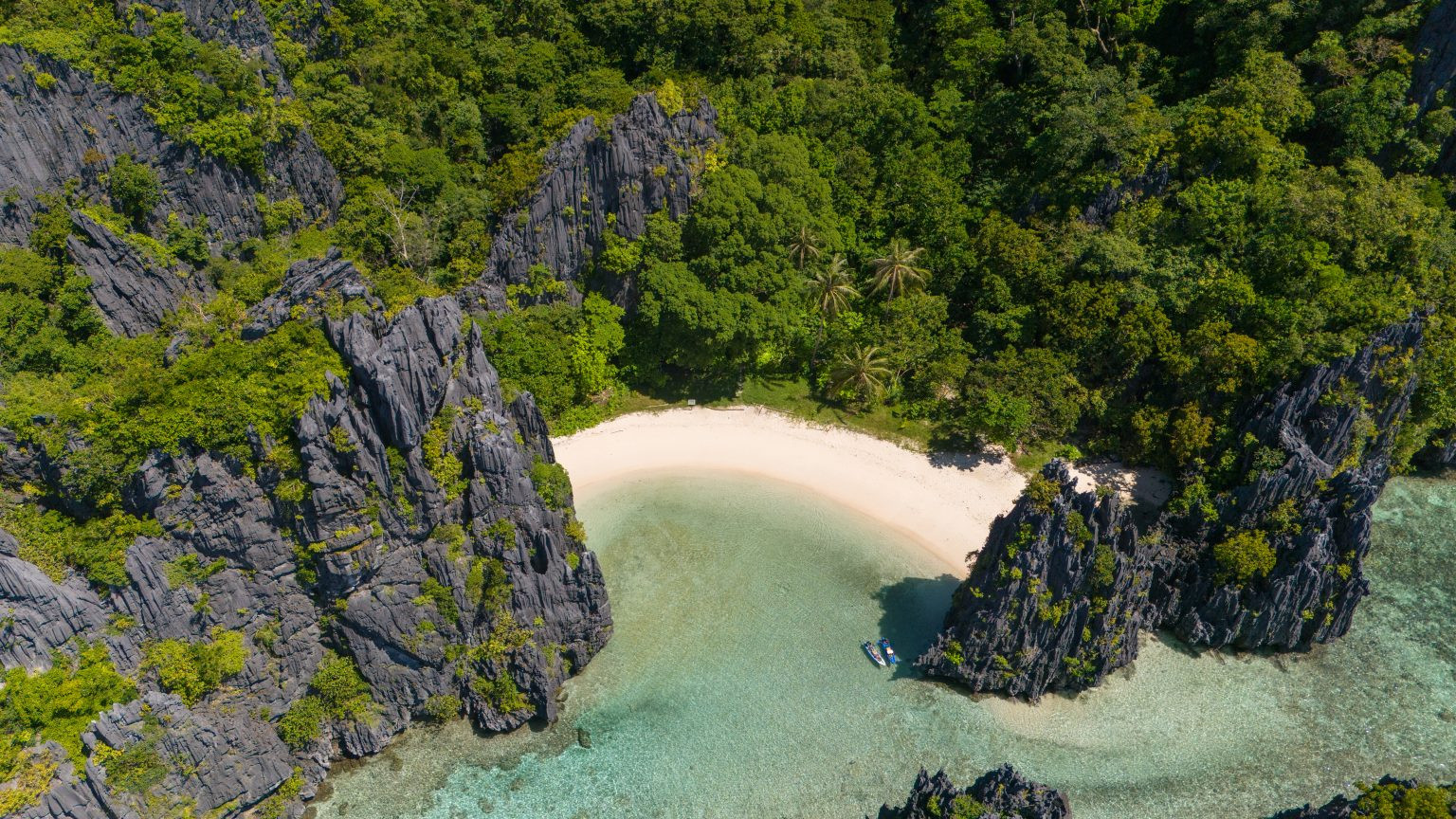
El Nido takes its name from something most visitors never see up close: the tiny nests of swiftlets, tucked into crevices high in the limestone cliffs that ring Bacuit Bay. "El Nido" is Spanish for "the nest," and the nests themselves — built almost entirely from the birds' hardened saliva — are the key ingredient in nido soup, a delicacy that sells for roughly $3,000 per kilogram in parts of Asia. The municipality carried a different name, Bacuit, until 1954, when the current name took over for good.
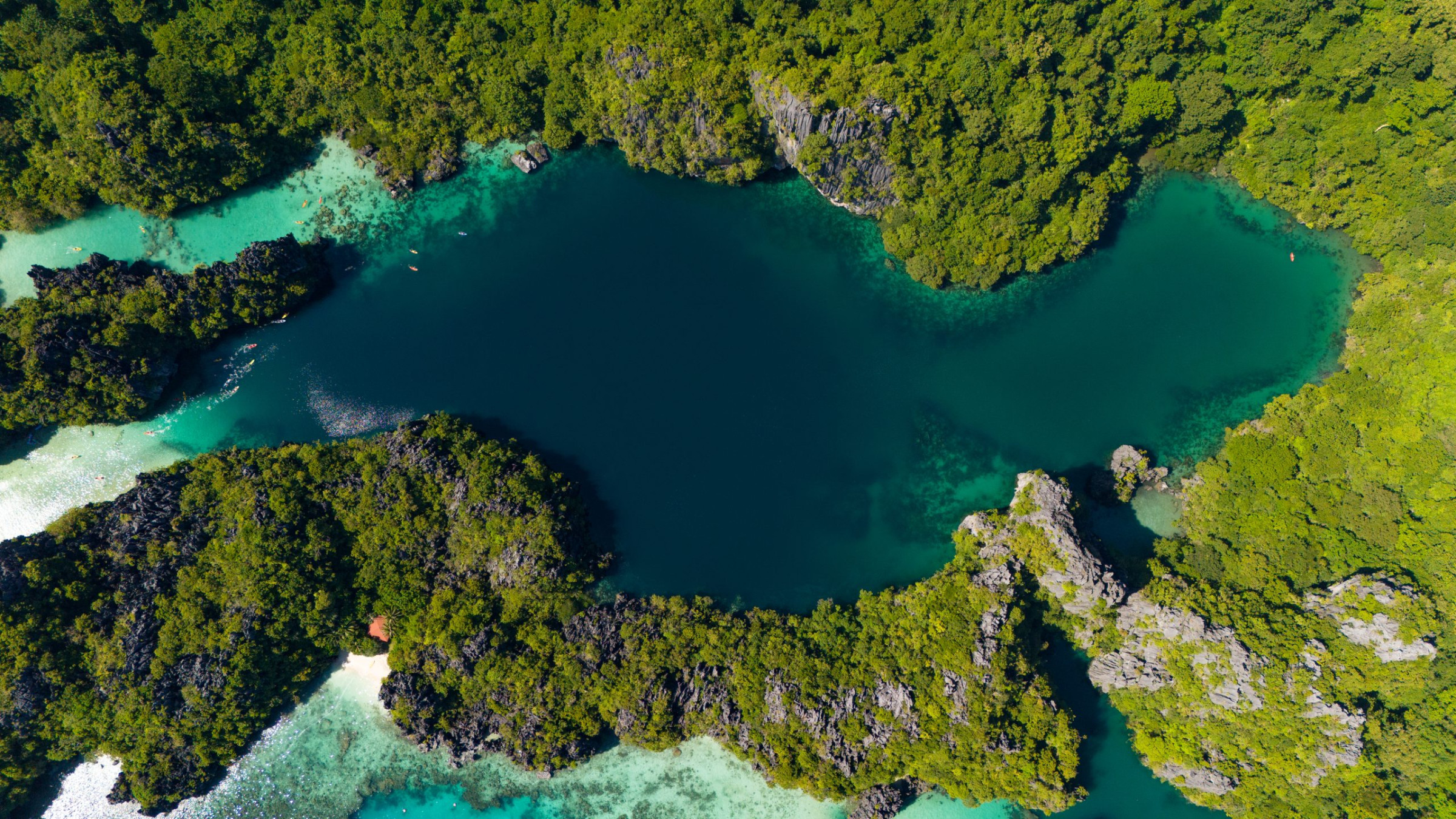
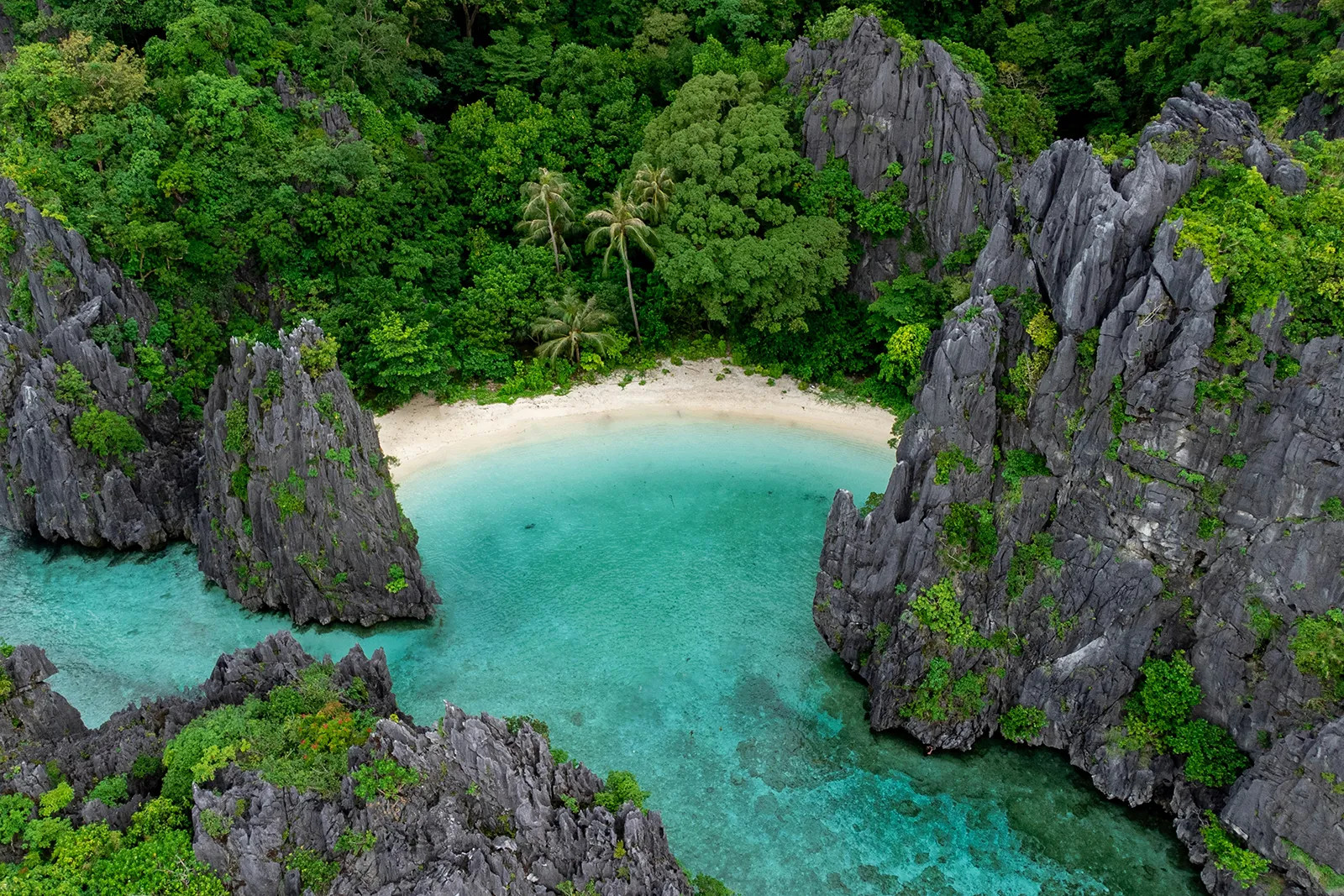
What draws people today has less to do with birds' nests and more to do with the geography around them: 45 islands and islets scattered across 923 square kilometers of northern Palawan, built from limestone karst that rises straight out of turquoise water. The tallest of them, Cadlao Island, climbs to 640 meters, and the surrounding cliffs and hidden lagoons have drawn comparisons to Ha Long Bay in Vietnam and Krabi in Thailand — though El Nido's combination of scale and accessibility is very much its own.
People have lived around Bacuit Bay for a very long time — archaeological evidence points to settlement by at least 2680 BC, and some estimates push habitation in the wider area back as far as 22,000 years. What's changed more recently is how the region connects to the rest of the world: an airport and improved roads to Puerto Princesa have turned what was once a remote fishing area into one of the Philippines' most visited destinations, with a municipal population that reached over 51,000 by 2024.
Underwater, the bay supports a level of biodiversity that outpaces its size: around 100 species of coral, 813 species of fish, four species of sea turtle, and six marine mammals native to Palawan, including dolphins and dugongs. On land, the limestone cliffs and forest patches shelter endemic species like the Palawan hornbill, found nowhere else on Earth.
That biodiversity is the reason much of the area now falls under the El Nido-Taytay Managed Resource Protected Area, the largest marine sanctuary in the Philippines. The designation shapes almost everything about how the islands are visited: boat routes are fixed and permitted, certain lagoons restrict the kind of sunscreen visitors can wear in the water, and access to some of the more fragile sites is limited by design rather than left to informal tourism pressure. It's a rare case of a destination's fame and its conservation status growing at roughly the same pace, rather than one outrunning the other.
Almost every visit to El Nido is organized around island hopping, and the local government has formalized the options into four standard routes, labeled Tour A through D. Tour A covers the iconic Big and Small Lagoons, the calmest option and the usual choice for first-time visitors; Tour B focuses on caves and sandbars; Tour C emphasizes open scenery and snorkeling; Tour D runs shorter routes better suited to a second, more relaxed day out. Each typically includes four to five stops and lunch on an island, departing early and returning by mid-afternoon.
Getting to El Nido itself means either a direct small-aircraft flight from Manila or Cebu — quick, but limited in seats and luggage allowance — or a flight into Puerto Princesa followed by a five-to-six-hour overland transfer. Most visitors plan for at least three days to cover the highlights, with five considered a more comfortable pace given how much of the appeal lies in slowing down: reef shoes on, sunscreen checked against local restrictions, and a boat pointed toward whichever lagoon is on the day's route.
No reviews yet. Be the first to share your experience!
Share your experience and help other travelers