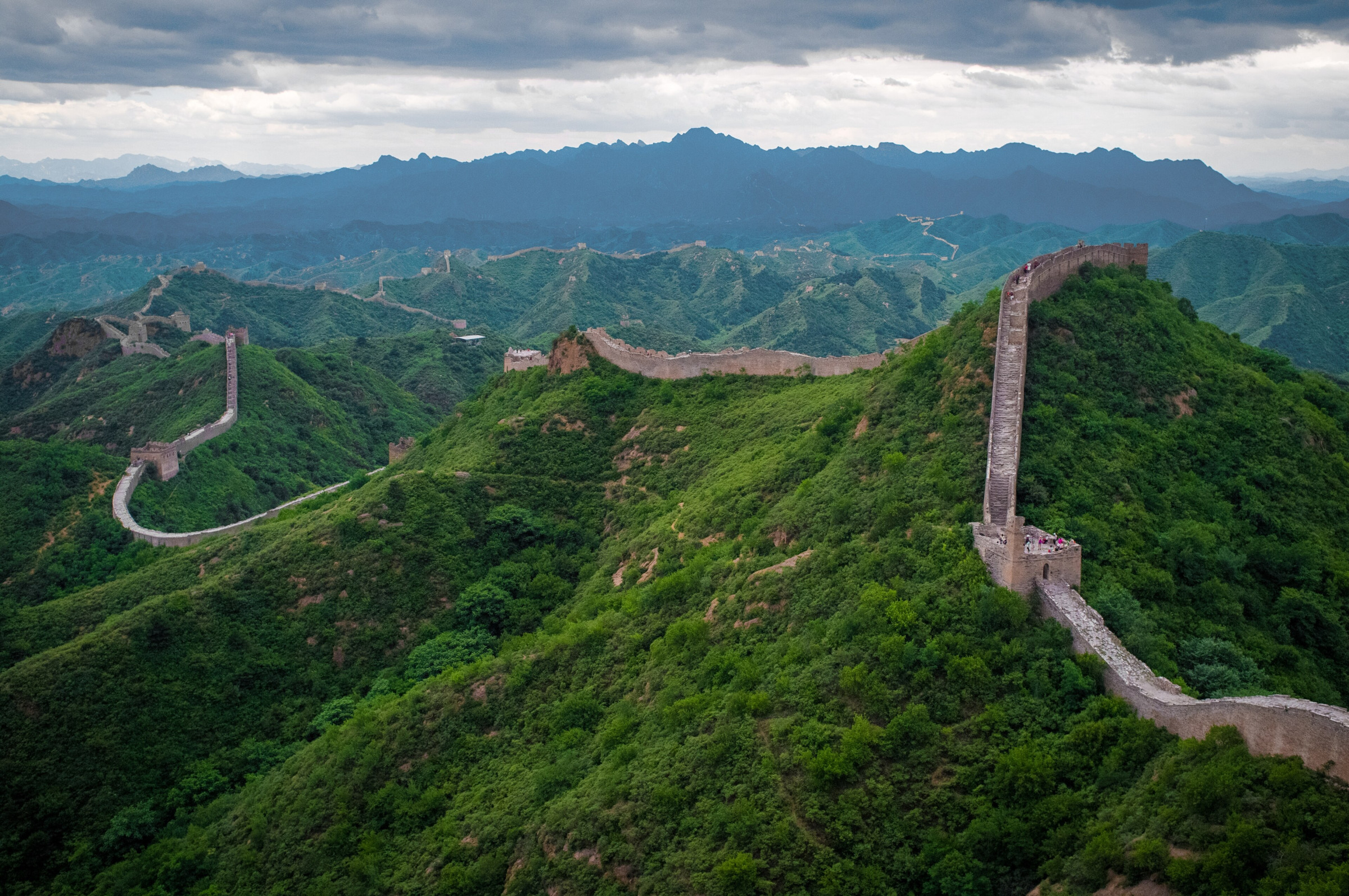
"The Great Wall" suggests a single continuous structure, but what actually snakes across northern China is closer to a two-thousand-year layering of separate walls, watchtowers, trenches, and natural barriers built, rebuilt, and abandoned by more than a dozen dynasties. Modern archaeological surveys put the combined length of every wall segment ever built at 21,196 kilometers — enough to circle roughly half the Earth — though no version of the wall was ever complete or continuous at any single moment in history.
The earliest sections date to the 7th century BC, when individual warring states built defensive walls against each other rather than against outside invaders. It was Qin Shi Huang, the first emperor to unify China in 221 BC, who ordered these disconnected walls linked into something closer to a coordinated northern frontier — the beginning of the wall as a unified strategic idea, even if the physical construction remained a patchwork for centuries afterward.
Between the Qin unification and the wall most visitors picture today, the Han, Northern Wei, Northern Qi, Sui, Liao, Jin, and Western Xia dynasties all added, extended, or rebuilt sections, usually in response to specific threats from nomadic confederations to the north — most famously the Xiongnu during the Han dynasty and, over a thousand years later, the Mongols. Each dynasty's wall reflected its own military technology and threat assessment rather than a single master plan carried forward across centuries.
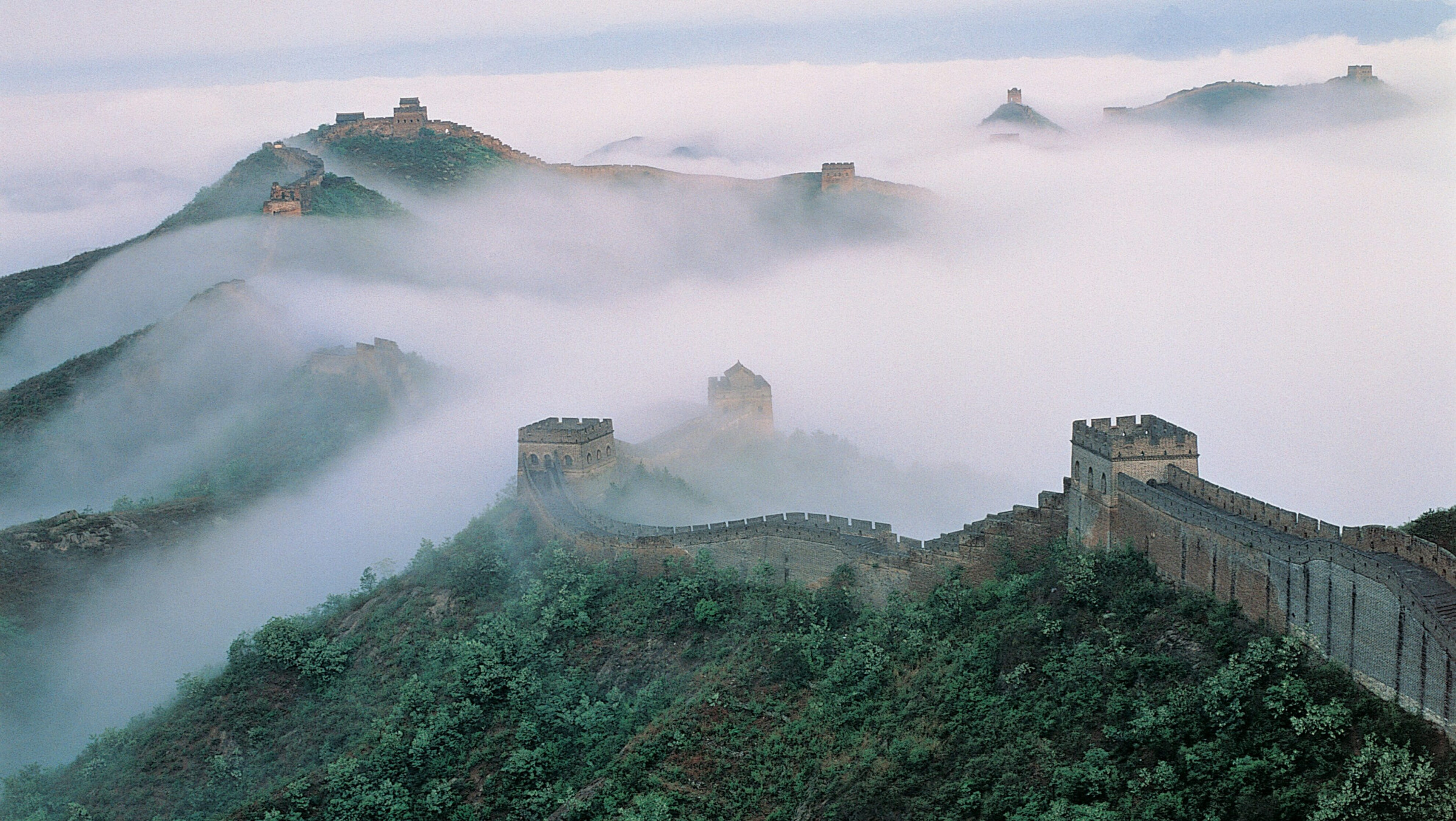
The version that defines the wall in the popular imagination — the towering brick-and-stone ramparts running along mountain ridgelines near Beijing — is almost entirely a Ming dynasty project. After the Ming overthrew Mongol Yuan rule in 1368, they faced renewed threats from Mongol remnants and other northern groups, and responded with the most ambitious and technically sophisticated wall-building campaign in the structure's history, running from the 14th through 17th centuries.
Construction methods evolved dramatically across the centuries the wall was built. The earliest walls used rammed earth — soil compacted in layers between wooden forms — and locally available stone, techniques that produced defensible but relatively fragile structures vulnerable to erosion. The Ming dynasty's engineers introduced fired brick on a massive scale, along with lime mortar and a distinctive local innovation: sticky rice mortar, made by mixing rice soup with slaked lime, which proved remarkably durable and is credited with helping many Ming-era sections survive largely intact into the present.
The Ming wall specifically totals roughly 8,850 kilometers, made up of 6,259 kilometers of actual wall, 359 kilometers of trenches, and 2,232 kilometers of natural barriers like rivers and steep ridgelines that the builders incorporated rather than replicated in brick. Watchtowers were spaced at intervals along the most vulnerable stretches, allowing signal fires and smoke to relay warnings of approaching forces across huge distances faster than any messenger could travel.
Defense against nomadic incursions gets top billing in most accounts, but the wall also functioned as a customs and immigration checkpoint, regulating and taxing the flow of goods and people along Silk Road trade routes that passed through its gates. Controlling who and what crossed the frontier mattered as much economically as the wall's defensive value mattered militarily, and garrison towns along its length grew into genuine trading and administrative centers rather than purely military outposts.
Geographically, the wall's story is disproportionately a northern Chinese one: roughly a third of documented wall sites sit in Inner Mongolia, with another fifth in Hebei province, reflecting the historical frontier zones that different dynasties were most anxious about defending.
Time has not been kind to most of the wall outside the handful of restored, tourist-facing sections. A 2012 government survey found that 22 percent of the Ming-era wall — roughly 1,961 kilometers — had already vanished, worn away by weather, quarried for building material by nearby villages, or destroyed by agricultural and infrastructure development. Remote sections in Gansu and Ningxia, built largely from rammed earth rather than brick, are disappearing even faster, some reduced to low mounds barely recognizable as a wall at all.
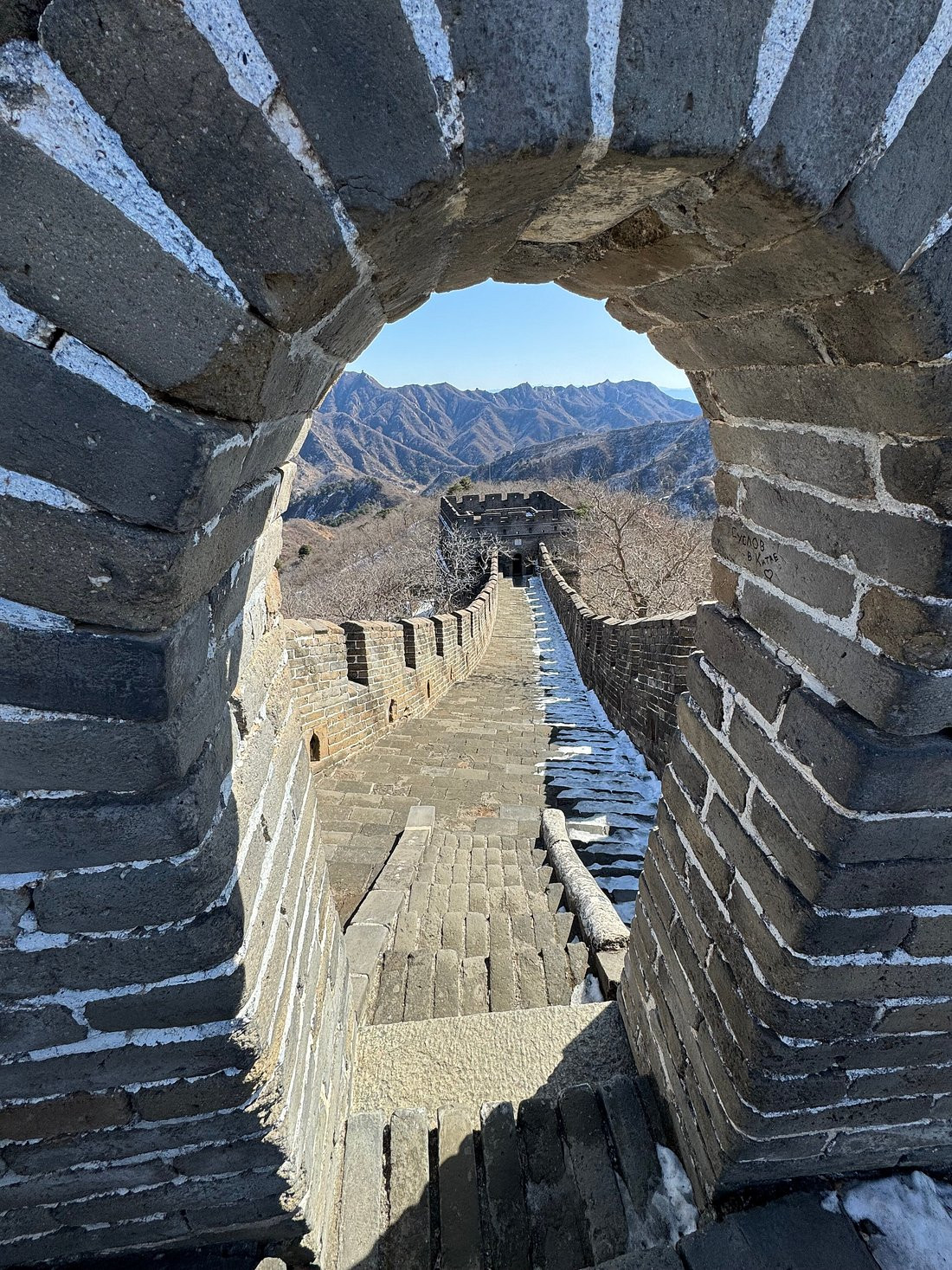
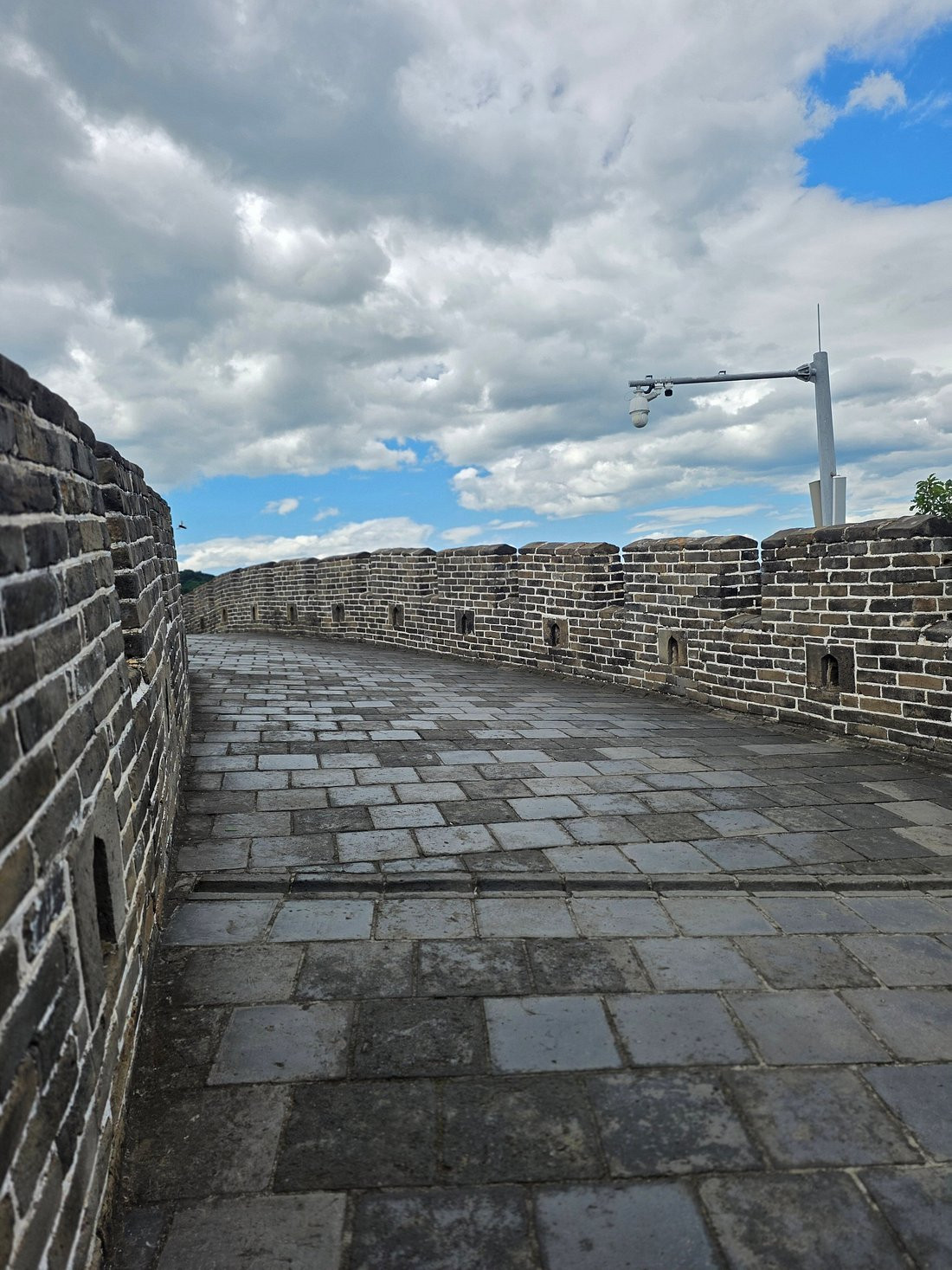
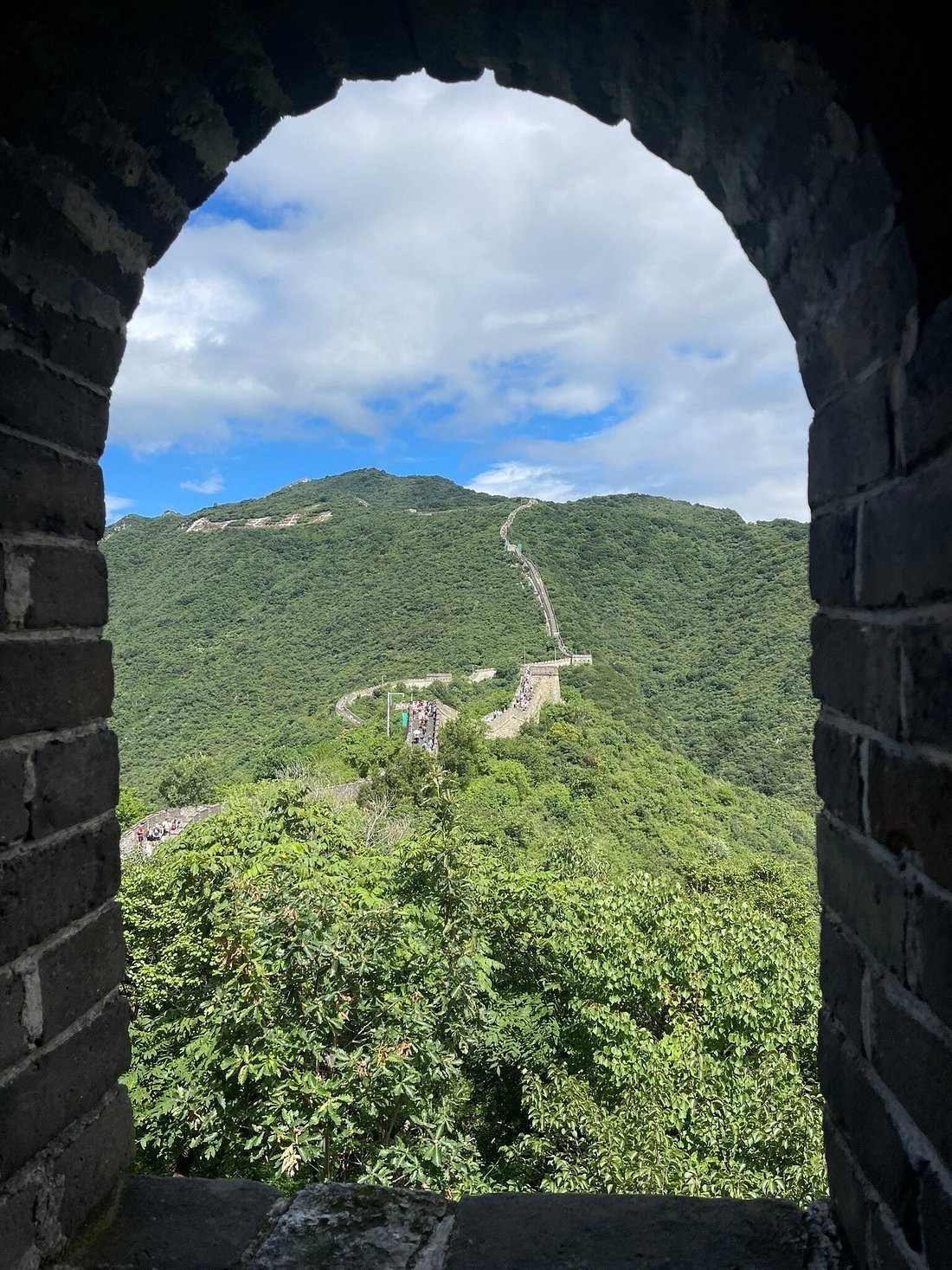
The sections most visitors actually see — Badaling, Mutianyu, and a handful of others near Beijing — represent a small, heavily restored fraction of the wall's total length, chosen and maintained specifically because they're accessible from the capital, not because they're representative of the structure's overall condition.
UNESCO inscribed the Great Wall as a World Heritage Site in 1987, citing both its scale and its historical significance as one of the most ambitious defensive building projects ever undertaken. Twenty years later, a global public vote named it one of the New 7 Wonders of the World, cementing its status alongside monuments like Petra and Machu Picchu in a very small category of structures recognized as universally iconic.
Badaling, the first section opened to tourists in 1957 and the most heavily developed, drew nearly 10 million visitors in 2018 alone before authorities introduced daily visitor caps to manage the crowding and physical wear on the stonework — a modern management problem that would have been unimaginable to the Ming garrisons who once walked the same ramparts on watch for signal fires.
Badaling and Mutianyu are the two sections most visitors choose, and they offer genuinely different experiences. Badaling is closer, more heavily restored, and easiest to reach — an S2 train from Beijing North Station takes 20 to 60 minutes — but it's also by far the busiest, especially on weekends and during Chinese public holidays. Mutianyu sits farther out, roughly 1.5 to 2 hours by bus and transfer, but generally rewards the extra travel time with noticeably thinner crowds and, many visitors feel, more dramatic mountain scenery.
Both sections offer cable cars, chairlifts, or toboggan rides as alternatives to climbing the wall's often steep, uneven stone stairways on foot. April–May and September–October offer the most comfortable weather for walking; visitors are generally advised to avoid China's Golden Week national holiday in early October, when even the less-touristed sections become uncomfortably crowded.
No reviews yet. Be the first to share your experience!
Share your experience and help other travelers