Lake Malawi stretches for around 580 kilometres down the Great Rift Valley, a long ribbon of clear, fresh water bordered by Malawi, Mozambique, and Tanzania. It is the third-largest lake in Africa and one of the deepest in the world, plunging to roughly 700 metres in places. The Scottish missionary and explorer David Livingstone, who reached its shores in 1859, is often credited with calling it the lake of stars, a reference to the lanterns of fishermen that glitter across the water after dark. In Malawi, where it is simply called the lake, it is the centre of national life.
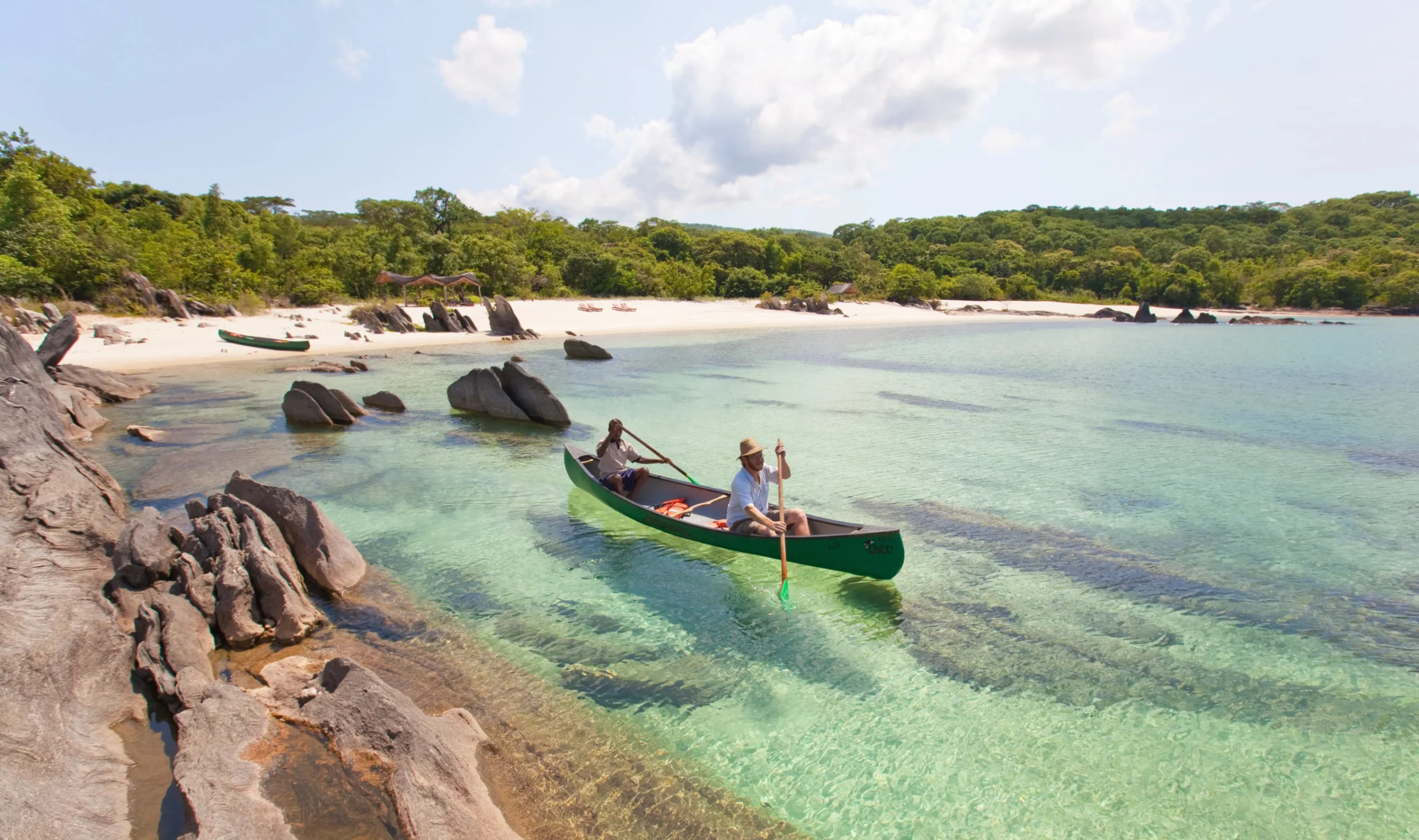
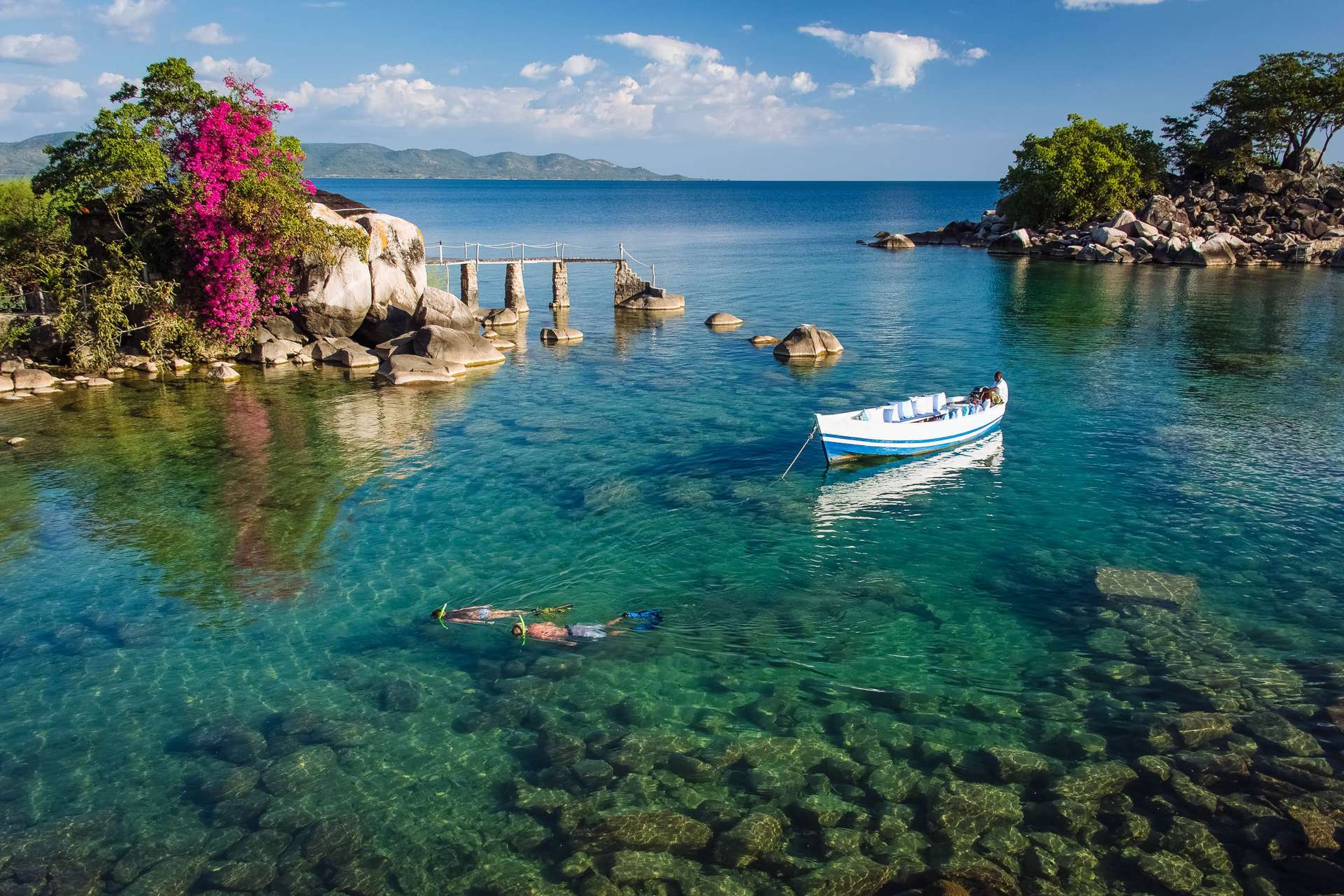
For visitors, Lake Malawi offers a rare combination of calm freshwater beaches, rocky islands, fishing villages, and some of the richest underwater life in any lake on Earth. It is as good for slow days of swimming and kayaking as it is for serious snorkelling and diving.
The lake occupies a deep trough created by the stretching of the African continent. The same tectonic forces that formed Lake Tanganyika to the north and the volcanoes of East Africa carved this basin, and steep mountains rise from the shore in many places. Because the lake is so deep and so long, its waters are layered. The upper levels are warm and rich in oxygen, while the deepest parts are cut off from circulation and hold little or no oxygen, a condition scientists call meromictic.
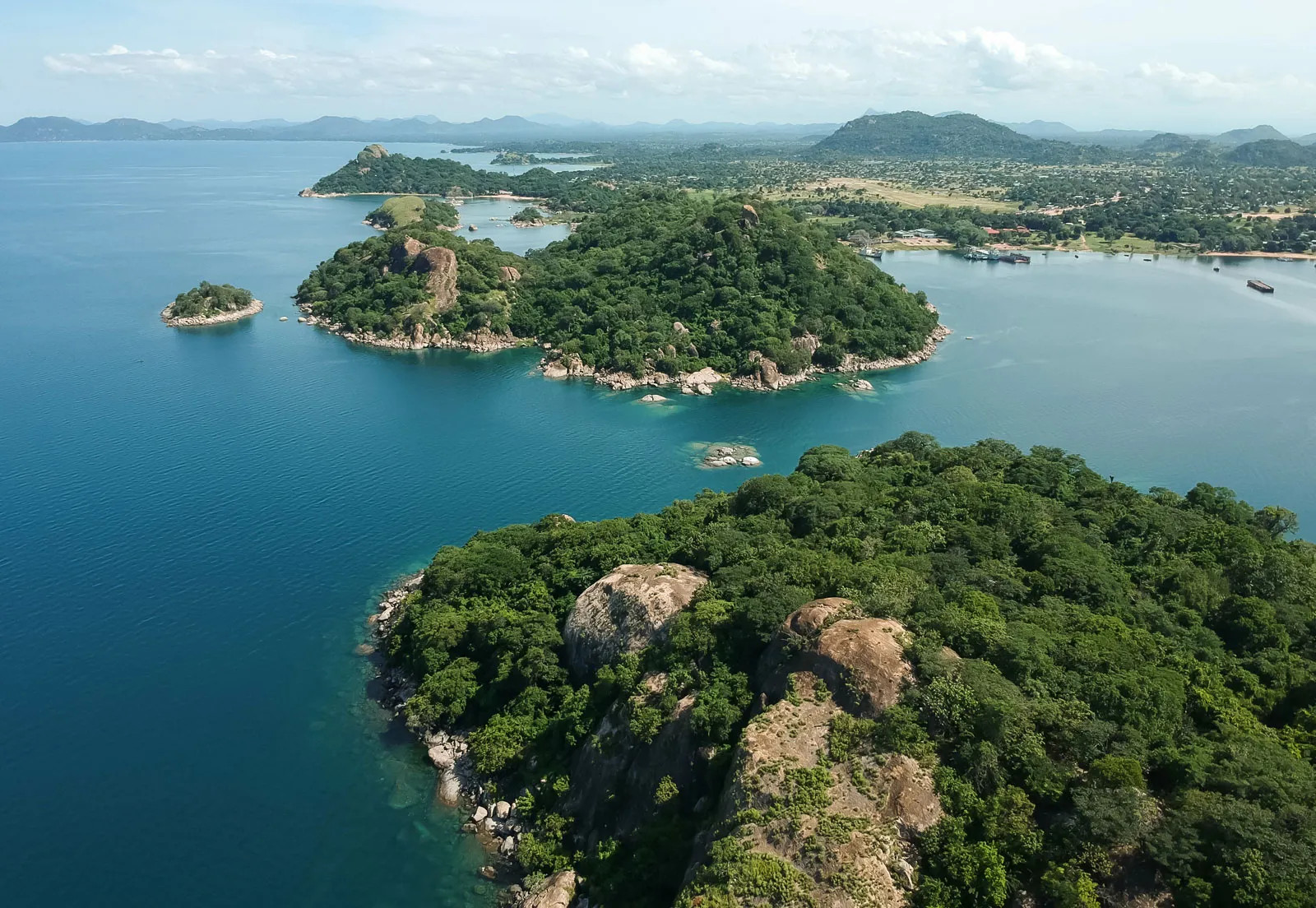
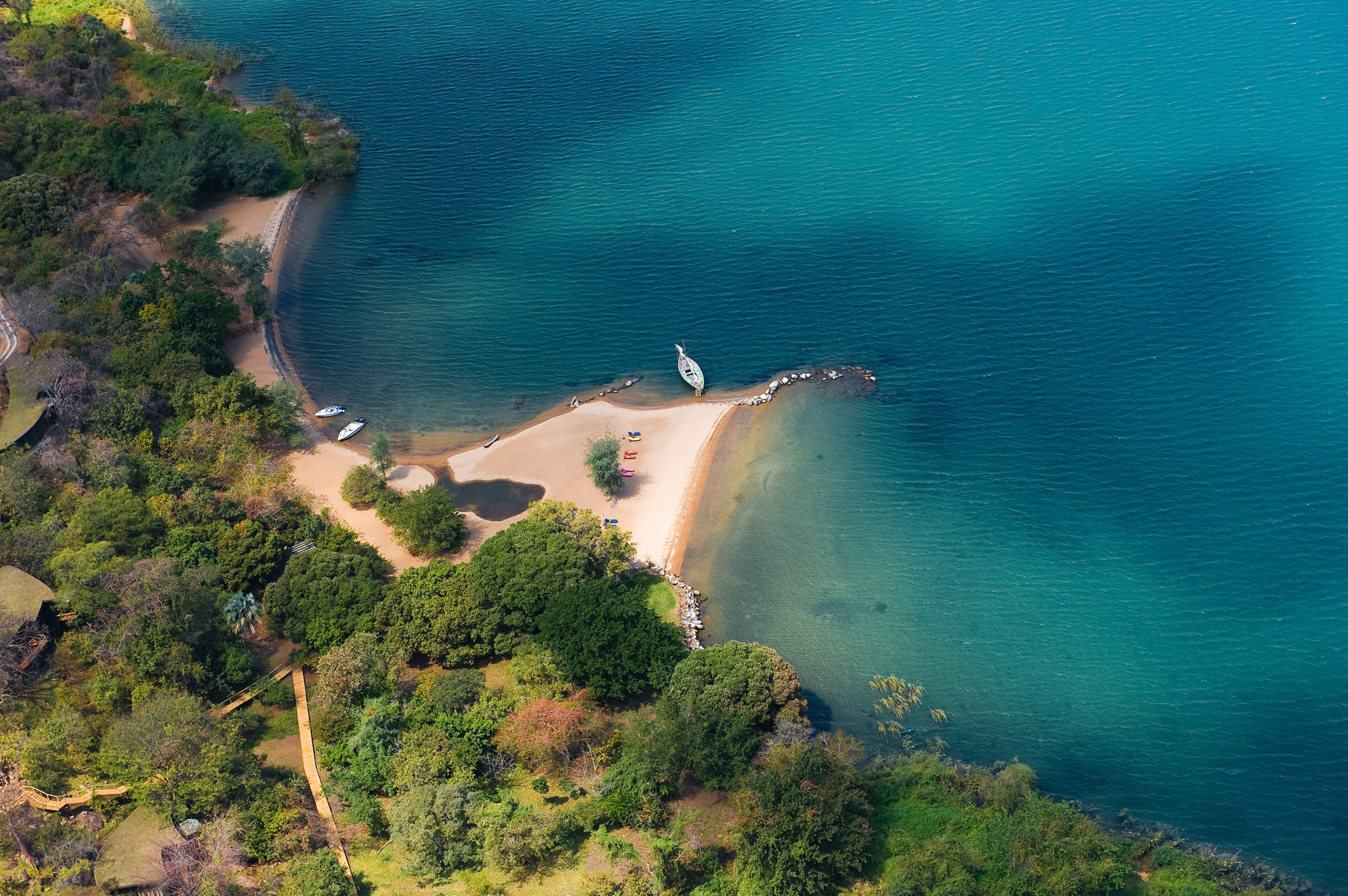
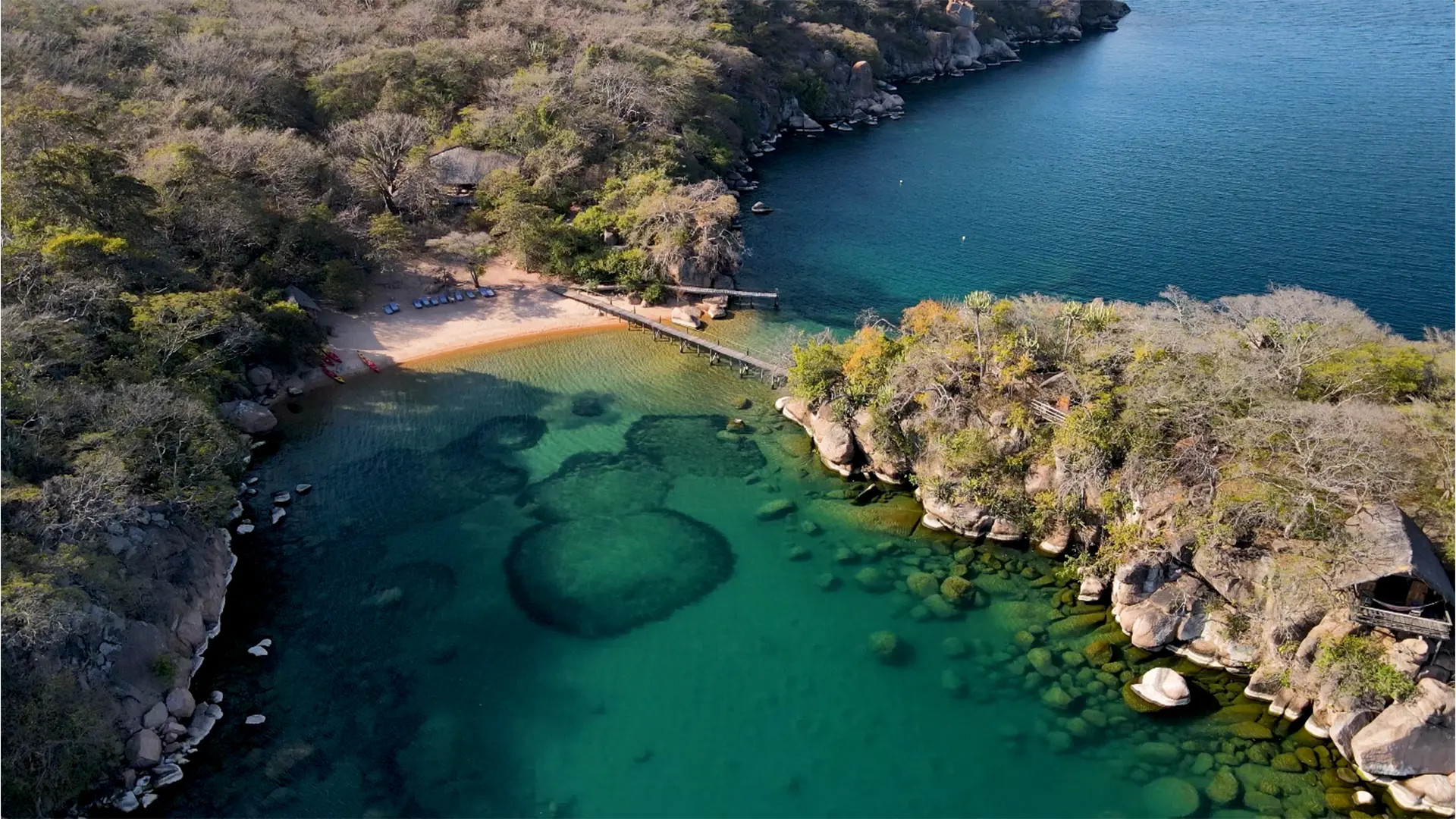
The water is remarkably clear, often allowing visibility of many metres. Sandy bays alternate with rocky points, and in the south the shoreline is dotted with islands and promontories. The Shire River flows out of the lake at its southern end, eventually joining the Zambezi and reaching the Indian Ocean.
Lake Malawi is famous among biologists for its cichlids, small, colourful fish that have evolved into hundreds of species within the lake. Estimates range from seven hundred to well over a thousand species, the vast majority found nowhere else. Some graze algae from rocks, others hunt in open water, and some have unusual habits, such as mouthbrooding, in which females carry their eggs and young in their mouths for protection.
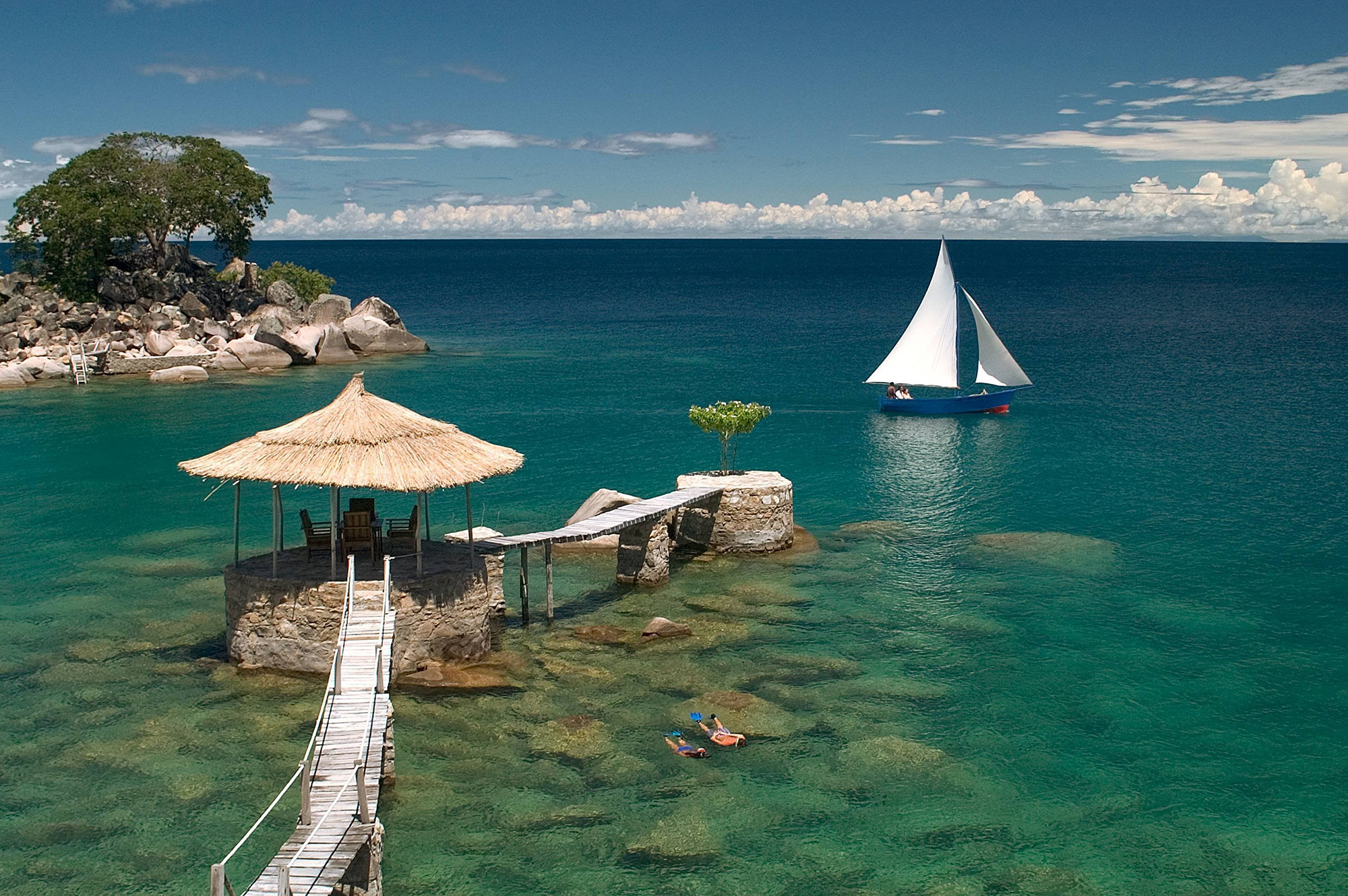
Because the lake offers many different habitats, from rocky reefs to sandy plains and open water, cichlids have diversified to fill each niche. This explosive evolution has made the lake a natural laboratory for studying how new species arise. For snorkellers, the result is an underwater aquarium of vivid blues, yellows, and oranges that can be seen simply by wading from the beach.
At the southern end of the lake, on the Nankumba Peninsula, lies Lake Malawi National Park, one of the first freshwater parks in the world and a UNESCO World Heritage Site since 1984. It protects rocky shores and islands that are home to many of the lake's most spectacular cichlids, along with baboons, hyraxes, fish eagles, and monitor lizards on land. The village of Cape Maclear, on the peninsula, is the main base for visitors.
Cape Maclear has a relaxed, backpacker-friendly atmosphere, with guesthouses, small lodges, and boat operators offering snorkelling trips to nearby islands. Fishermen still launch wooden dugout canoes from the beach, and the area is a good place to learn how lake communities live, trade, and fish.
Fishing is central to life around Lake Malawi, and chambo, a local tilapia, is a national favourite, often served grilled with nsima, the maize-based staple. Fishing villages line the shore, and in the early evening the beach fills with drying nets, children playing, and women washing clothes. At night, rows of small lights from fishing boats appear on the horizon, giving the lake its starry reputation.
Visitors are generally welcomed warmly, and Malawi is known as the warm heart of Africa for good reason. Learning a few words of Chichewa, the main local language, goes a long way, and it is polite to ask before photographing people. Buying fish or crafts directly from local sellers supports lake communities directly.
Several islands offer quieter, more remote experiences. Likoma and Chizumulu, in the northern part of the lake, are inhabited islands with a distinctive character, including a large cathedral on Likoma that reflects the area's missionary history. Closer to the shore, small islands near Cape Maclear and Nkhata Bay are popular for kayaking, paddleboarding, and sailing, and many lodges offer day trips and overnight camping.
Nkhata Bay, on the western shore, is known for cliff jumping, diving, and a lively travellers' scene. Further north, Mzuzu and the Nyika Plateau provide a cool, upland counterpoint for those who want to combine lake days with hiking and wildlife viewing in the highlands.
The lake faces pressures from overfishing, sedimentation from deforestation, and changing climate. Conservation efforts focus on protecting breeding habitats, regulating fishing methods, and educating communities about sustainable use. Visitors can help by choosing responsible operators, avoiding collecting shells or fish, and keeping soaps and sunscreens away from the water.
Travellers should also be aware of health considerations. Schistosomiasis, a parasitic disease sometimes called bilharzia, can occur in freshwater in the region, and it is wise to check current medical advice before swimming, particularly in shallow, reedy areas. Malaria is present, so antimalarial precautions and mosquito protection are essential.
The dry season, from about May to October, is the most comfortable time to visit, with sunny days, cooler nights, and calm water for boating. The warmer months from September to November are popular for snorkelling and diving, when the water is clear and warm. The rainy season, from November to April, brings heavy showers, higher humidity, and rougher conditions, but also fewer visitors and lush green scenery.
Most travellers arrive via Lilongwe, Malawi's capital, and travel by road to the lake, a journey of a few hours to several, depending on the destination. Bring reef-safe sunscreen, a mask and snorkel if you have them, and cash in local currency, since cards are not widely accepted outside larger towns.
Life by the lake has a distinct rhythm, shaped by fishing, small-scale farming, and a strong musical tradition. Evenings often bring drumming, singing, and storytelling in villages, and menus at lakeside lodges feature grilled chambo, fresh vegetables, and sweet local bananas. For many years, the Lake of Stars festival has brought musicians and visitors to the shore for performances beside the water, linking the lake's famous nickname with a modern celebration of Malawian and international music and art.
Away from the water, the lakeshore offers gentle walking and cycling. Tracks lead through fishing villages, baobab groves, and fields of maize and cassava, and local guides can arrange visits to markets, boatbuilders, and small workshops. Early mornings and late afternoons are cooler and give the best light for photography, while the quiet moments between are perfect for swimming or simply watching the horizon.
No reviews yet. Be the first to share your experience!
Share your experience and help other travelers