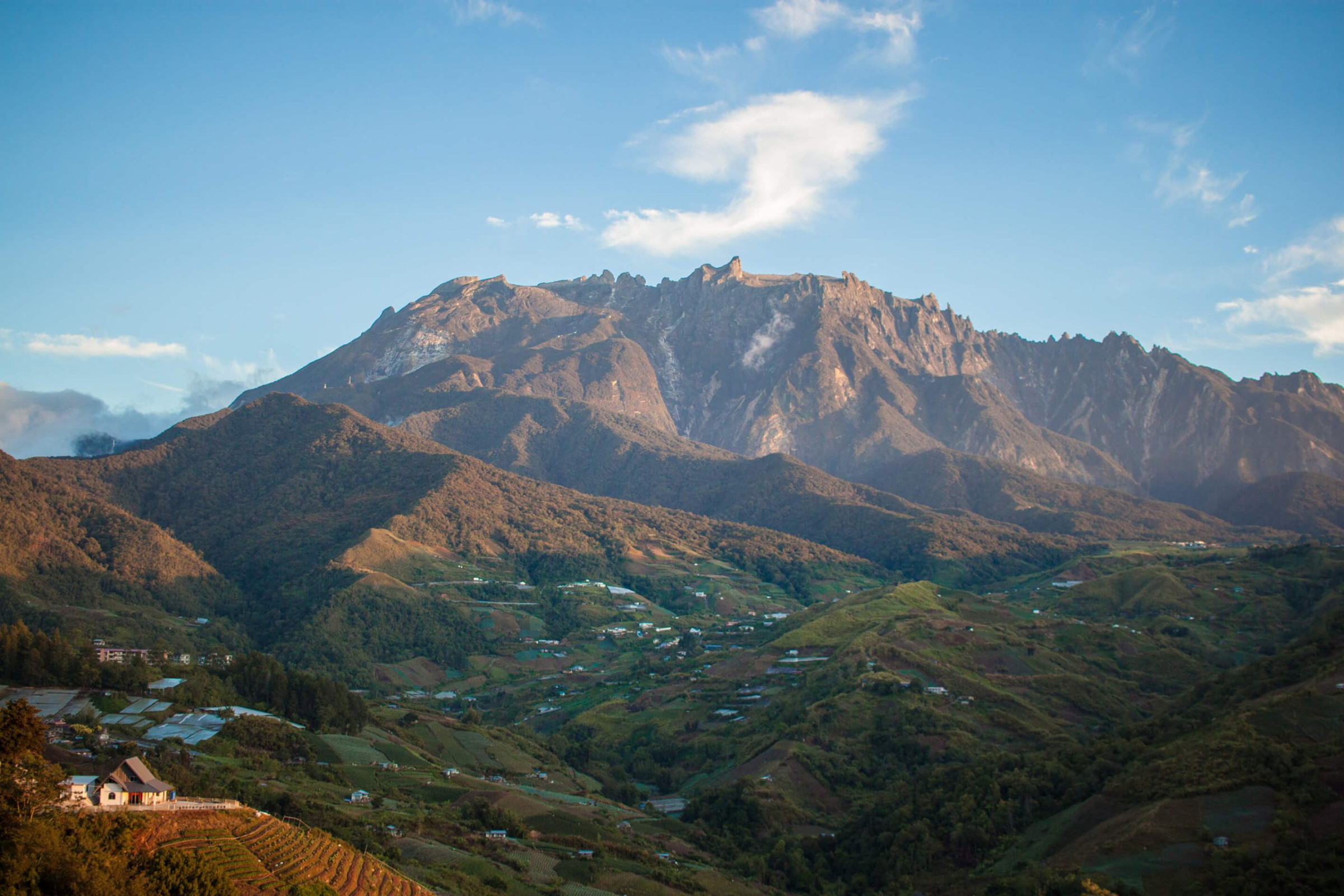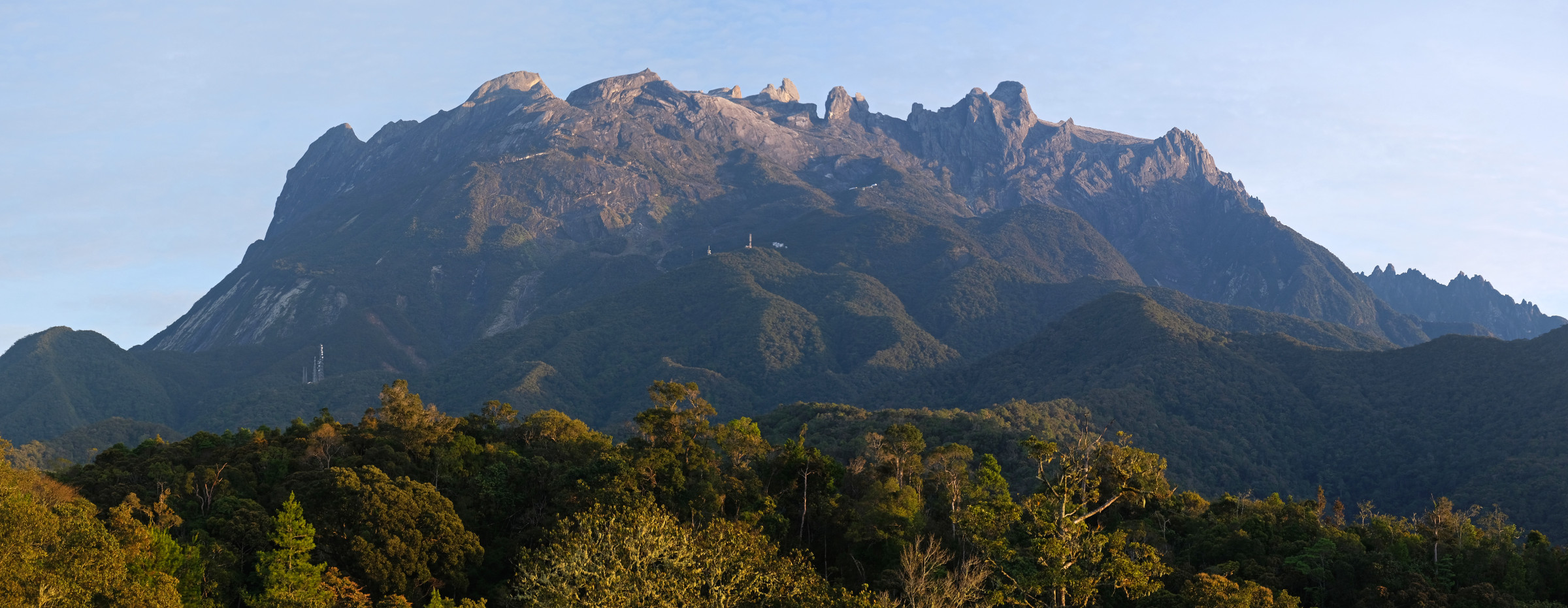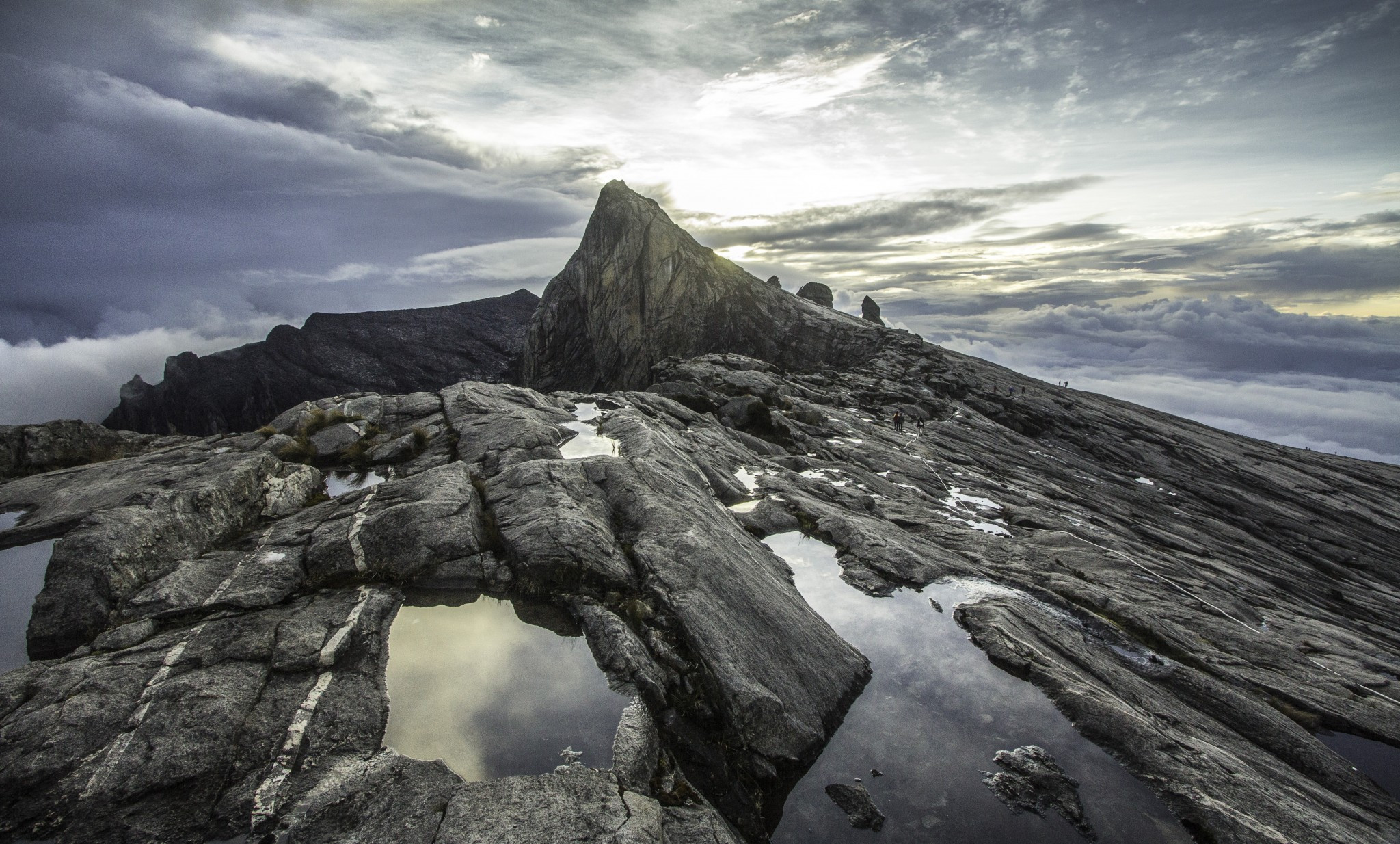
Mount Kinabalu rises 4,095 metres above the rainforests of Sabah, in the Malaysian part of Borneo, making it the highest mountain on the island and the highest between the Himalayas and New Guinea. Its jagged granite summit, often shrouded in cloud, towers over a landscape that shifts from steamy lowland jungle to cool, mossy forest and bare, wind-scoured rock. It is an astonishing place, both a challenging climb that ordinary hikers can complete and a globally important centre of biodiversity.
For the Kadazan-Dusun people of the region, the mountain is sacred, the resting place of ancestral spirits. Today it forms the heart of Kinabalu Park, a UNESCO World Heritage Site, and welcomes thousands of climbers each year who come to reach the summit at sunrise.
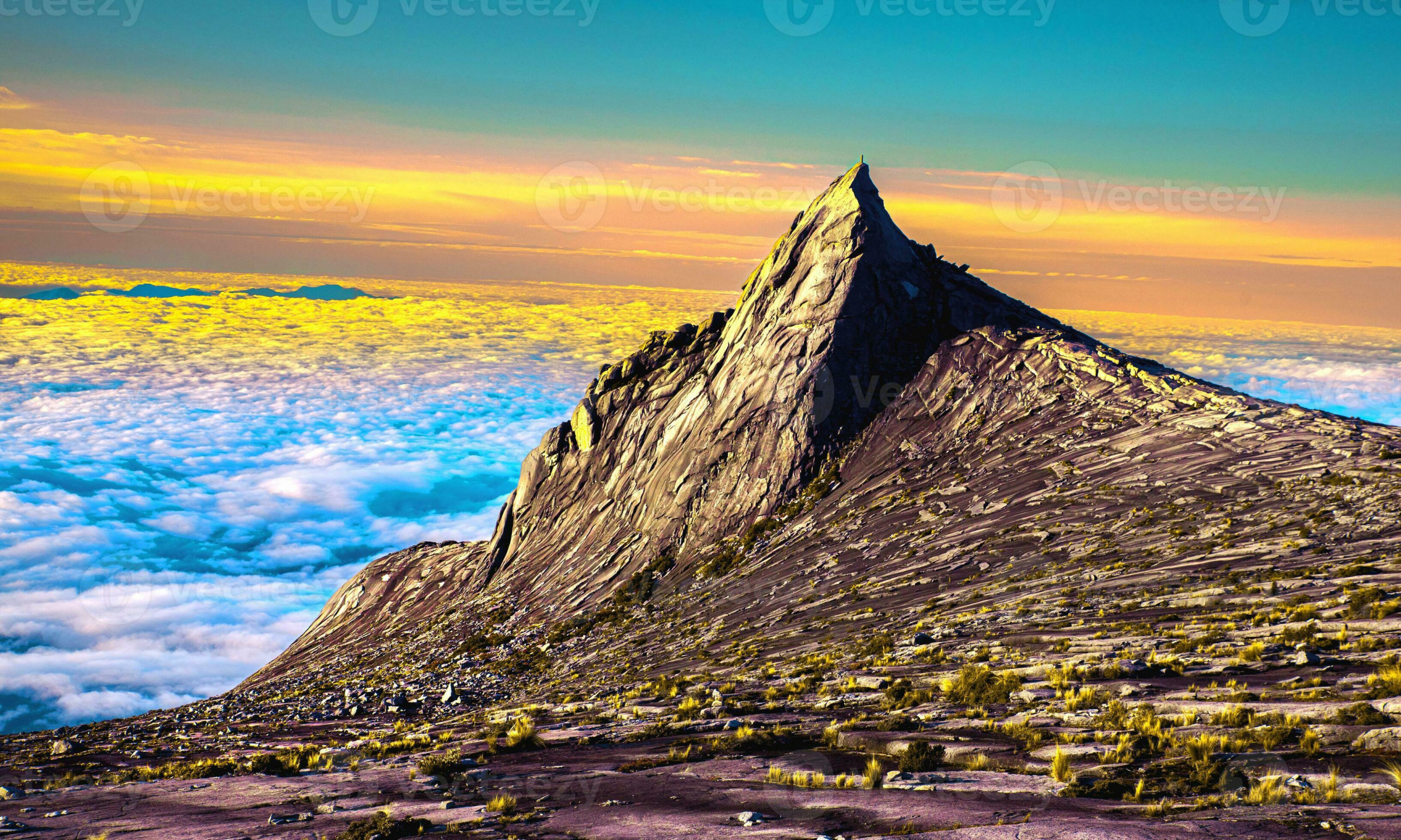
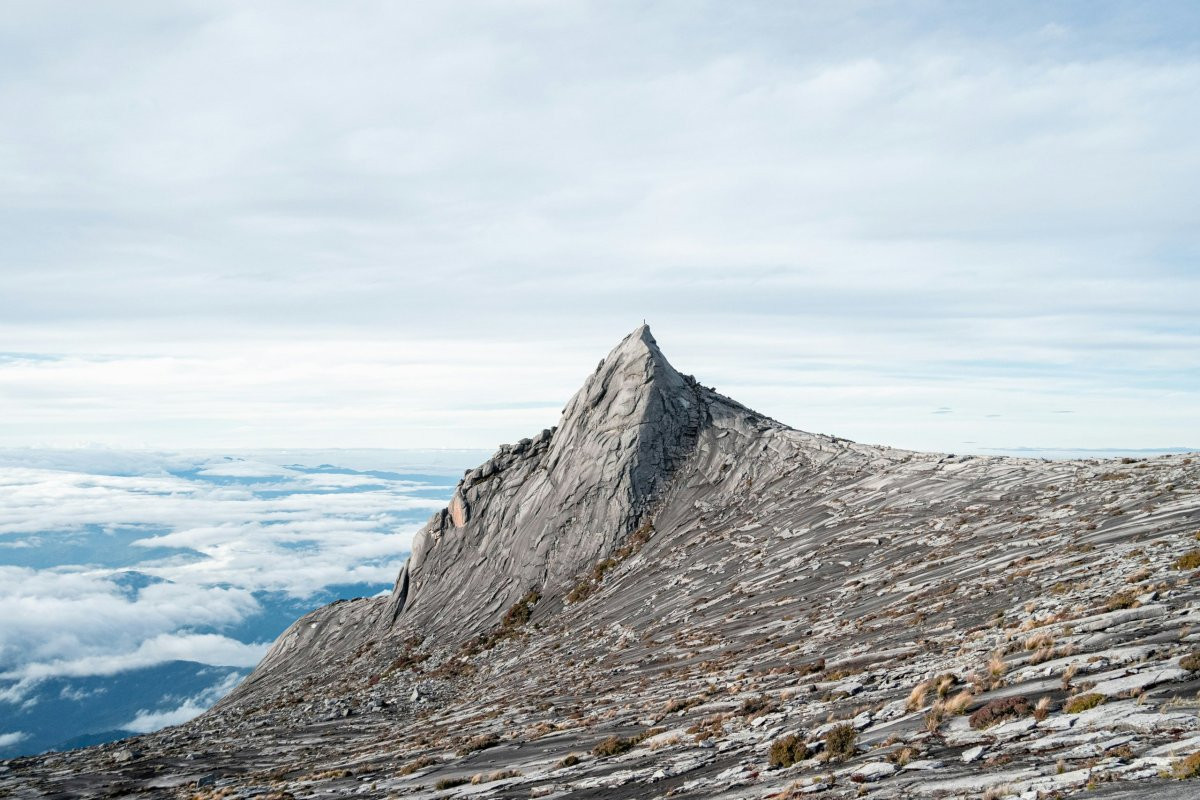
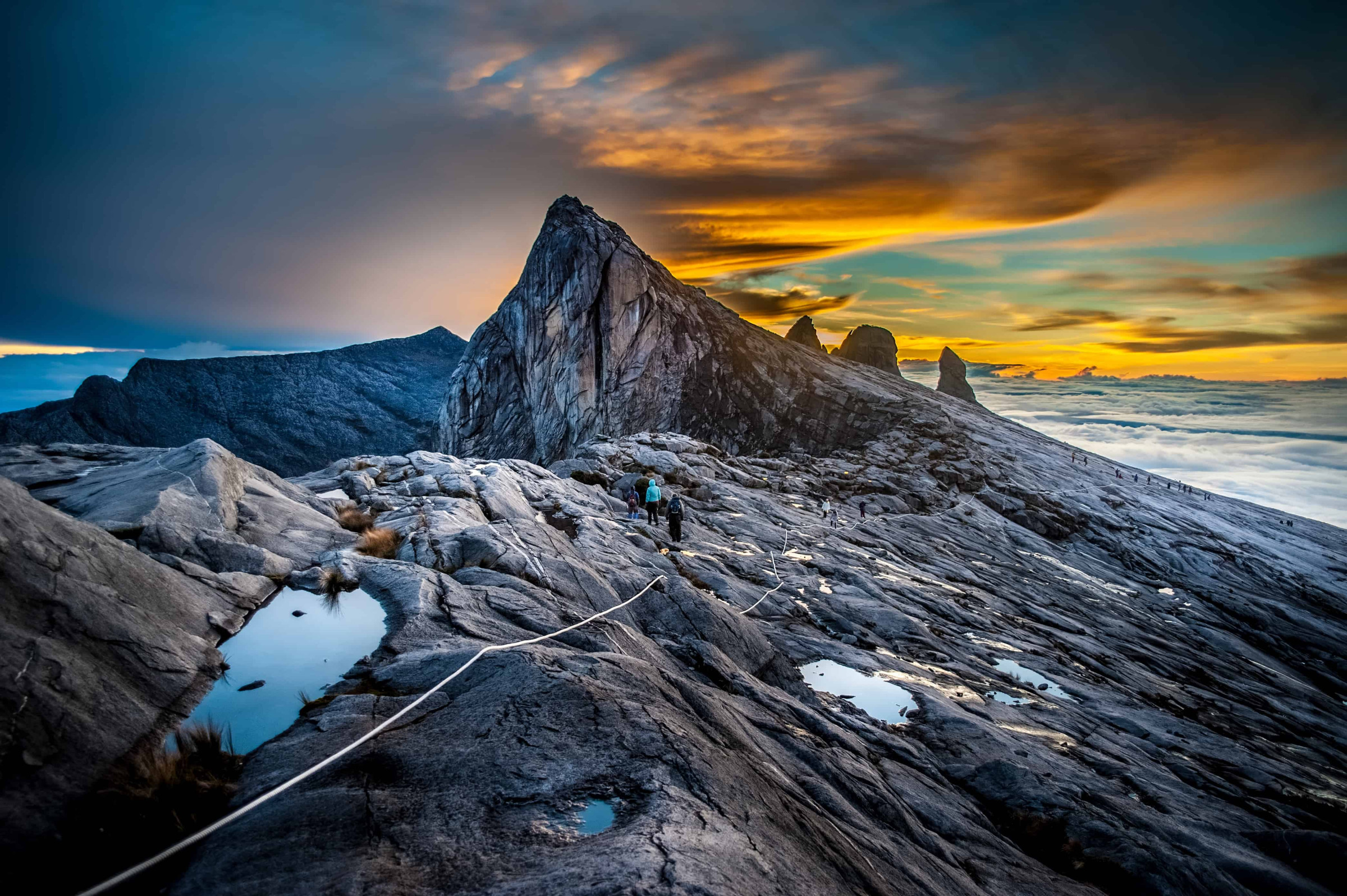
Geologically, Kinabalu is surprisingly young. It is a granite body that pushed up through older rock around ten million years ago and has been uplifted and sculpted ever since. Glaciers shaped its upper slopes during the last ice age, leaving the smooth, rounded plateau and the dramatic, serrated peaks around its summit, including the famous Donkey Ears and the highest point, Low's Peak. Scientists believe the mountain may still be rising by a few millimetres each year.
The bare granite gives the upper mountain a stark, lunar look, quite unlike the lush forest below. Frequent mists and sudden weather changes add to the sense of a mountain with its own climate, and climbers are encouraged to prepare for rain, wind, and cold even though the peak sits close to the equator.
Kinabalu Park protects an extraordinary diversity of plants, with estimates of several thousand species, including many found nowhere else. The mountain's range of altitudes creates a natural staircase of habitats, from lowland dipterocarp forest to montane oak and rhododendron forest, then stunted cloud forest, and finally open granite slopes with only hardy shrubs.
The park is renowned for its pitcher plants, including the giant Nepenthes rajah, which can capture small animals in pitchers large enough to hold a litre or more of liquid. Orchids are abundant, and Rafflesia, the world's largest flower, can sometimes be seen blooming in the park's lower areas, although its short flowering period makes sightings a matter of luck. Birdlife and mammals are also rich, with endemic species such as the Kinabalu mountain squirrel.
The standard climb takes two days and one night. On the first day, climbers walk up the Timpohon Trail to Laban Rata, a cluster of rest houses at about 3,270 metres, where they eat, rest, and sleep for a few hours. In the early hours of the second day, they set off in the dark, climbing the last stretch across bare granite with the help of ropes and headlamps, to reach Low's Peak for sunrise.
The ascent is steep and tiring but does not require technical climbing skills. The altitude can cause headaches and fatigue, so a slow pace, plenty of water, and good rest are important. After sunrise, climbers descend the same route, usually returning to the park headquarters by afternoon. Guides are mandatory and help ensure safety and navigation in the dark and in poor weather.
To protect the mountain, the number of climbers permitted each day is limited, and climbers must reserve a place and a guide in advance through authorised operators. During busy periods, particularly in the dry season, bookings can sell out months ahead, so planning early is wise. Permits, accommodation, and guide fees are usually packaged together, and the climb is not something that can be arranged on the day.
Following the 2015 earthquake, which damaged parts of the summit area and was a tragic event for climbers, safety measures and trail management have been reviewed and updated. Weather can close the summit trail at short notice, and climbers should be prepared for changes to plans.
For those who want a more adventurous route, the Mountain Torq via ferrata is one of the highest in the world, using fixed cables, rungs, and a suspension bridge to cross the mountain's granite faces. It is suitable for reasonably fit visitors with some head for heights, and offers dramatic views over the valley and the summit massif.
Not everyone needs to climb to enjoy the park. Shorter trails near the headquarters lead through lush forest, past waterfalls and orchid gardens, and visitors can spot birds, butterflies, and pitcher plants without ever leaving the lower slopes. The Poring Hot Springs, a short drive away, offer a canopy walkway and soaking pools for sore muscles after the descent.
For the Kadazan-Dusun, Kinabalu is Aki Nabalu, a name often interpreted as the revered place of the dead. Traditional ceremonies, such as the Monolob ritual, are performed to ask the spirits for permission and safe passage before climbing. Even today, many guides and communities treat the mountain with great respect, and visitors are asked to behave quietly, avoid littering, and follow local customs.
This cultural significance adds depth to the climb, turning it from a simple physical challenge into an encounter with a landscape that holds meaning for the people who live in its shadow. Learning a little about local beliefs enriches the experience and encourages respectful travel.
The drier months, from about February to April and again around the middle of the year, generally offer the best chances of clear skies at the summit, although the mountain can be cloudy at any time. Fly to Kota Kinabalu, the state capital, from where the park headquarters is a drive of about two hours. Book your climb as early as possible and allow an extra day before and after for acclimatisation and rest.
Bring layers, a waterproof jacket, gloves, a headlamp, and sturdy shoes with good grip, since temperatures at the summit can fall close to freezing before dawn. Training with hill walking and stair climbing beforehand will make the ascent far more enjoyable, and you should respect the pace of your guide and your own body above all.
The lower slopes around Kinabalu Park headquarters are rich in life, even for those who never reach the summit. Short nature trails reveal tree ferns, giant gingers, and fungi, and with patience visitors may spot hornbills, laughingthrushes, and colourful butterflies. Guided night walks sometimes reveal frogs, stick insects, and small mammals, showing how much of the forest's activity happens after dark.
Climbing numbers, waste, and a changing climate all put pressure on the mountain. Park authorities encourage visitors to carry out all rubbish, stay on marked trails, and avoid disturbing plants, and many porters and guides are local people with deep knowledge of the mountain. Choosing responsible operators, packing light, and travelling at a modest pace help ensure that Kinabalu remains a place of wonder for future generations.
No reviews yet. Be the first to share your experience!
Share your experience and help other travelers